ISLAMABAD / KABUL — Heavy border fighting between Pakistan and Afghanistan has left scores dead on both sides, marking one of the sharpest escalations since the Taliban returned to power in Kabul three years ago, according to Al Jazeera News.
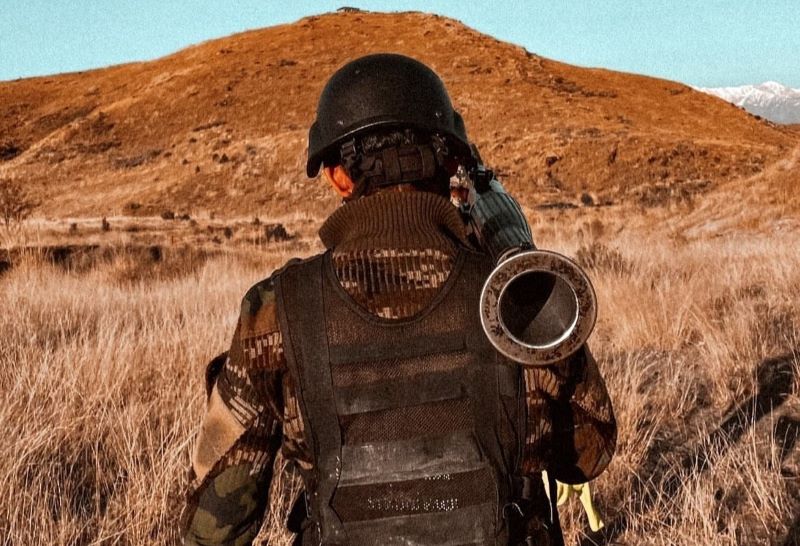
Pakistan’s military said on Sunday it had killed more than 200 Afghan fighters, while the Taliban government claimed its forces had killed 58 Pakistani soldiers in overnight operations. Both sides accused the other of aggression and released competing battlefield footage.
Taliban spokesperson Zabihullah Mujahid said 30 Pakistani soldiers were wounded and that “a significant quantity” of weapons and equipment had been seized. He said nine Taliban fighters were killed and a dozen injured, rejecting Pakistan’s version of events.
Pakistan’s army, meanwhile, said 23 of its soldiers were killed and that its border crossings with Afghanistan were closed following the clashes. State media reported that Pakistani forces had captured or destroyed several Taliban positions, including 19 Afghan border posts.
The violence erupted after a series of explosions in Afghanistan last Thursday, which the Taliban blamed on Pakistan. Afghan officials said their forces mounted “retaliatory” strikes after what they called repeated Pakistani air incursions.
Afghanistan’s Defense Ministry spokesperson Enayatullah Khwarizmi said Taliban troops carried out “successful retaliatory operations” in Kunar and Helmand provinces. Pakistani state television broadcast images of Afghan posts in flames and Taliban fighters allegedly surrendering.
The surge in violence follows months of tension between Islamabad and Kabul over Pakistan’s accusations that the Taliban shelters the Tehreek-e-Taliban Pakistan (TTP), a banned armed group behind a growing wave of attacks inside Pakistan.
Defense Minister Khawaja Asif told parliament, “Enough is enough,” warning that Pakistan would respond to continued Taliban provocations. An unnamed Pakistani official told Reuters that one of the strikes had targeted TTP leader Noor Wali Mehsud in Kabul.
Relations between the neighbors, once close, have deteriorated sharply. The Taliban denies harboring the TTP but has refused to take military action against the group. Analysts warn the crisis could spiral into a prolonged confrontation.
“The TTP issue has become a major sticking point,” said Imtiaz Gul, a security analyst in Islamabad. “The long-term consequences are worrying; this will only deepen existing animosities.”
Pakistan has faced a surge in militant attacks this year. The Pakistan Institute for Conflict and Security Studies recorded 143 attacks in August alone, the deadliest month in over a decade, leaving 194 people dead and more than 200 injured. The country now ranks second on the Global Terrorism Index, trailing only Afghanistan.
Regional powers have urged restraint. Iranian Foreign Minister Abbas Araghchi called on both sides to de-escalate, saying, “Stability between these two neighbors contributes to regional stability.” Saudi Arabia echoed the appeal, urging dialogue and “wisdom to reduce tensions.”
The clashes coincided with Afghan Foreign Minister Amir Khan Muttaqi’s visit to India, fueling Pakistani suspicion of an emerging Kabul-New Delhi rapprochement. Pakistan’s military accused India of being “the biggest sponsor of terrorism in the region.” India denied the charge, as the region braces for the fallout of a conflict that threatens to redraw its already volatile map.