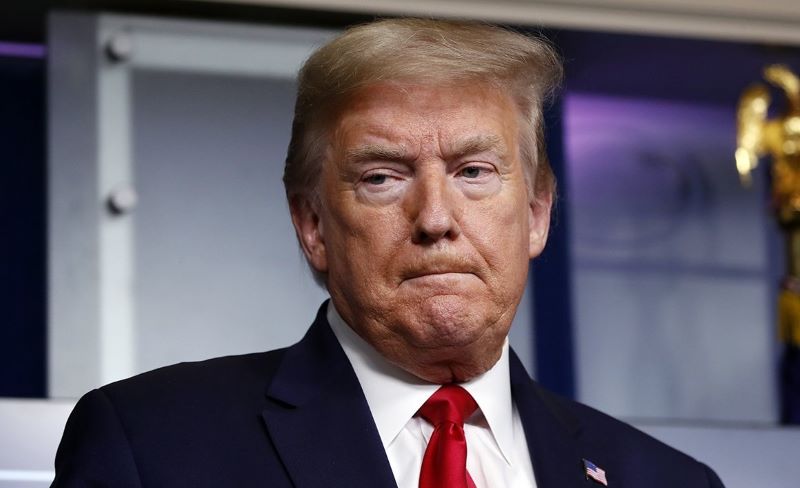
Tensions between the United States and Germany have sharpened after President Donald Trump launched a fresh public attack on German Chancellor Friedrich Merz, even raising the possibility of reducing US troops stationed in Germany, according to Euro News.
In a post on his Truth Social platform, Trump criticized Merz for commenting on US policy toward Iran. He urged the German leader to focus instead on Europe’s own challenges, including the war in Ukraine, immigration, and energy issues. Trump claimed Merz had been “totally ineffective” in addressing the conflict with Russia.
The remarks came shortly after Trump signaled that Washington is reviewing its military presence in Germany. He said a decision on potential troop reductions could come soon, reviving a long-running debate about America’s role in European security.
Trump’s comments appear to be a direct response to criticism from Merz earlier this week. Speaking to students, the German chancellor argued that the United States was being “humiliated” by Iran during ongoing tensions and negotiations. He suggested Washington lacked a clear and convincing strategy.
Despite the growing strain, Merz struck a more measured tone during a visit to a military base in Germany. Without directly addressing Trump’s threats, he emphasized the importance of the transatlantic alliance, calling for continued cooperation based on trust, respect, and shared responsibility.
Still, concerns are rising among analysts. Some NATO experts warn that repeated threats to scale back US troop levels risk weakening the alliance over time. Fabrice Pothier, a former NATO policy director, said Europe may need to prepare for a future where it cannot fully rely on American support.
He described the current situation as a “boiling frog” moment; a slow but steady decline in relations that risks being overlooked until it becomes critical. According to Pothier, European countries should strengthen their own defense systems to be ready for potential shifts in US policy.
Recent moves by Trump have added to the uncertainty. These include easing pressure on Russian energy exports, criticizing NATO allies, and making controversial statements about US foreign policy goals.
As disagreements grow louder, the dispute between Washington and Berlin reflects a deeper question: how stable the transatlantic partnership remains in a changing and increasingly uncertain world.