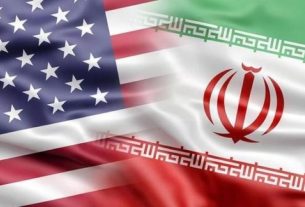
In the grand marble lobby of a Muscat palace, diplomats whisked messages back and forth, mediating the most perilous dance of our time. A sixth round of U.S.–Iran nuclear negotiations, scheduled for Sunday, June 15, in Muscat, Oman, holds the fragile hopes for defusing one of the world’s most volatile crises.
A Diplomatic Crucible
Since April 12, envoys have met under the hush of Omani diplomacy. U.S. Special Envoy Steve Witkoff and Iranian Foreign Minister Abbas Araghchi have led indirect discussions, relayed across intermediaries, seeking to resurrect an accord that might curb Iran’s uranium enrichment.
Iran’s three‑step proposal offered a temporary drop to 3.67% enrichment in exchange for thawing frozen assets, a framework of full inspections, and long-term sanctions relief—an olive branch Witkoff publicly acknowledged as “unexpected” in its scale.
Yet, the chasm remains yawning. Iran has stockpiled 60% enriched uranium—just shy of weapons-grade—prompting European powers to warn of triggering “snap‑back” sanctions.
Meanwhile, the International Atomic Energy Agency contemplates censuring Tehran for withholding inspectors, fueling a standoff that edges ever closer to confrontation.
Military Shadows Over Diplomacy
Even as negotiators conferred, both Washington and Tehran maneuvered in plain sight. In Muscat, U.S. personnel were quietly evacuated from Iraq, Bahrain, and Kuwait amid threats of malicious action.
Tehran answered with ominous warnings: Iranian Defense Minister Aziz Nasirzadeh vowed retaliation on U.S. bases if diplomacy falters, as Iran tests its newly unveiled Qassem Bassir missile, tipped with precision to strike deep into American deployments.
On the Israeli front, whispers of imminent airstrikes on Iran’s enrichment sites swirl. Both Jerusalem and Washington have not ruled out preemptive strikes—as evidenced by Israeli readiness and U.S. positioning.
Probability of Conflict: Statistical, Strategic and Staggering
Analysts paint a precarious tableau: a 15% chance of U.S. military strikes on Iran if diplomatic efforts collapse, with lower probabilities for full-scale war, yet every failure inches the world closer to catastrophe . Oman, alongside Saudi Arabia, the UAE, and Qatar, quietly supports diplomacy—not ideology—warning that war would destabilize oil markets, maritime routes, and every port from Bahrain to Basra.
For Trump supporters—and detractors—the message remains stark: “all options are on the table.” He has threatened “bombing the likes of which they have never seen before,” while still claiming a diplomatic preference, creating an uneasy paradox.
The Gulf’s High-Stakes Gamble
Oman’s role is quietly pivotal: its neutral stance and deep ties to both Tehran and Washington make it the diplomatic epicenter. But beneath the decor, the calm is deceptive—like a Gulf breeze before a storm.
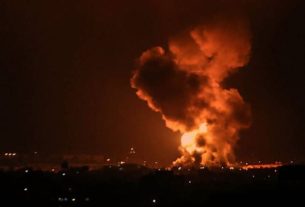
The risks ripple: Iran continues proxy attacks in Iraq, Syria, and via the Houthis in Yemen. Its ballistic missile testing, enriched uranium stockpile, and recent port explosion in Bandar Abbas underscore its domestic and strategic pressures.
With U.S. troops on alert and ships rerouting near the Strait of Hormuz, the region’s volatility is no metaphor but a living crisis.
Conclusion: War at the Precipice
Oman’s conference rooms may yet birth a diplomatic lifeline. But if the talks fail—if inspections are blocked, sanctions snap back, missiles launch—Gulf waters may ignite. A minor skirmish could rapidly escalate, drawing in Israel, Syria, Iraq. The finger on the trigger draws nearer.
At the heart of it all, time is treacherous. As June 15 looms, every shuttle diplomacy, evacuation order, and missile test carries potential energy—not for peace, but for conflict. Whether Oman’s candle holds against the night remains to be seen.