Naeem Khan
The ongoing tensions involving Iran, Israel, and the United States have sparked widespread debate about global influence, strategy, and the risks of escalation. As the situation grows more complex, analysts and observers are raising questions about the political, economic, and diplomatic consequences of the conflict.
Recent developments have highlighted the fragile balance of power in the region. What some initially believed could lead to swift political change has instead evolved into a prolonged and uncertain confrontation. Rather than clear outcomes, the crisis has brought increased instability, with ripple effects extending far beyond the Middle East.
European nations, including Germany, France, United Kingdom, Spain, and Italy, are closely monitoring the situation. Diplomatic efforts have intensified, with leaders emphasizing the need for dialogue and de-escalation. The broader international community, including China and Russia, is also watching developments carefully, reflecting the global stakes involved.
The conflict’s impact is not limited to military concerns. Economic and financial systems have come under strain, particularly in the energy sector. The strategic importance of the Strait of Hormuz has once again come into focus, as it remains a vital route for global oil shipments. Any disruption there could have significant consequences for international trade and energy markets.
At the same time, discussions around alternative trade systems and currencies have emerged, reflecting broader questions about the future of global economic structures. While such proposals remain uncertain, they underline how geopolitical tensions can influence financial trends and alliances.
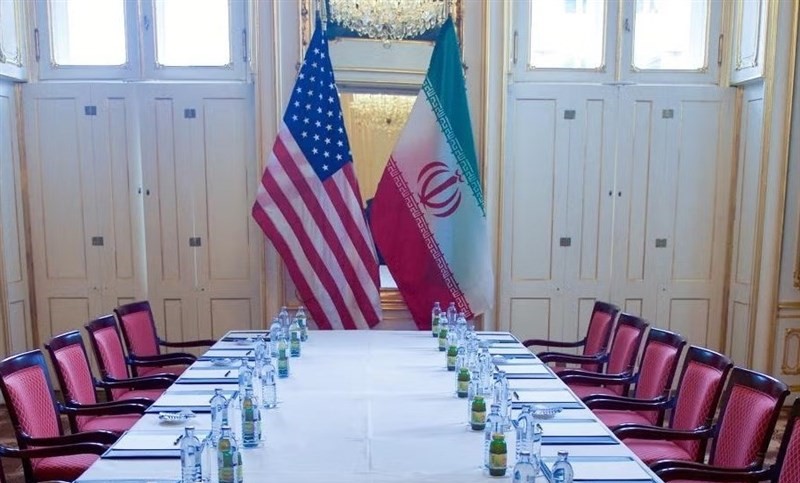
Diplomatic channels remain active but face challenges. Reports of canceled meetings and shifting negotiations suggest that trust between parties remains fragile. Mediators are working to keep communication open, though progress appears slow. The absence of direct engagement between key actors has further complicated efforts to reach a swift resolution.
For now, the path forward remains unclear. The situation continues to evolve, shaped by both strategic decisions and unexpected developments. Even small incidents could risk further escalation, raising concerns among global leaders and citizens alike.
Amid these uncertainties, one reality stands out: the consequences of the conflict extend far beyond national borders. As governments weigh their next steps, the need for careful diplomacy and measured responses has become more urgent than ever.