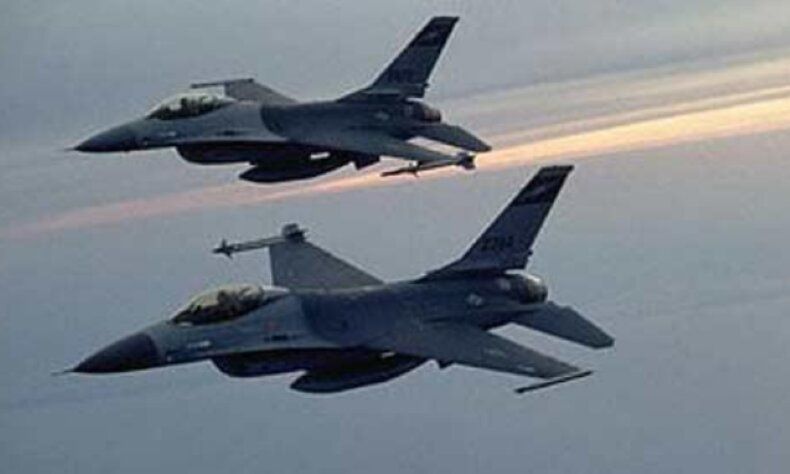
Israeli warplanes have conducted more than 100 air strikes across Syria, targeting multiple military sites, according to the Syrian Observatory for Human Rights, a UK-based organization. The strikes hit key locations in Damascus, Daraa, Latakia, and Hama, causing widespread destruction.
The Israeli government stated that the air strikes were aimed at preventing advanced weapons from falling into the hands of extremist groups operating in the region. These groups are often linked to Iran, which Israel accuses of using Syria as a base to strengthen its influence in the Middle East.
Reports suggest that the strikes targeted weapon storage facilities, military positions, and infrastructure believed to be connected to Iranian forces and their allies. However, the full extent of the damage and the number of casualties remain unclear, as Syrian authorities have yet to provide detailed updates.
The situation in Syria has drawn attention from international actors. In a related development, the United Kingdom announced that it is pausing asylum decisions for Syrians, citing the volatile situation in the country. This decision follows similar moves by other European nations, reflecting growing concerns about security and the evolving dynamics in Syria.
These air strikes come amid ongoing tensions in the region, with Syria’s civil war continuing to create instability. The conflict has left millions displaced and has drawn in multiple international powers with competing interests.
The international community has expressed concern over the escalation of violence. Human rights organizations are calling for restraint to prevent further loss of life and suffering in the war-torn region. As tensions rise, the focus remains on finding a diplomatic resolution to the conflict and ensuring the safety of civilians caught in the crossfire.