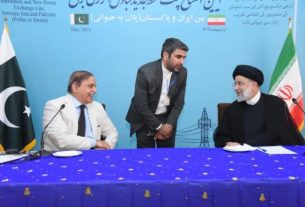
At a tense moment in the standoff over Iran’s nuclear program, Tehran is drawing strength from its allies. Speaking on the sidelines of the 25th Shanghai Cooperation Organization (SCO) summit in Tianjin, China, Iranian Deputy Foreign Minister Kazem Gharibabadi announced that Russia, China, and Pakistan had openly rejected Europe’s bid to reimpose United Nations sanctions on Iran, reported by Tasnim News Agency.
Gharibabadi called their opposition a “significant convergence” with Tehran, underscoring a growing divide between Eastern and Western power centers. Both China and Russia, as permanent members of the UN Security Council, and Pakistan, as a non-permanent member, have aligned with Iran against what they see as a legally flawed use of the “snapback” clause of the 2015 nuclear accord.
The SCO summit’s final declaration, he noted, incorporated Iranian proposals. One article condemned what it described as acts of aggression against Iran by Israel and the United States, including attacks on Iranian nuclear facilities—explicit language that Gharibabadi said carried unusual weight. Another section reaffirmed the binding nature of UN Security Council Resolution 2231, insisting it must be applied comprehensively rather than selectively, a thinly veiled critique of Europe’s recent move.
Last week, the United Kingdom, France, and Germany—the so-called European troika—formally notified the Security Council of their intent to activate the snapback mechanism, effectively restarting international sanctions that had been lifted under the nuclear deal. It marks the most severe action taken by Europe against Tehran since Washington unilaterally exited the Joint Comprehensive Plan of Action (JCPOA) in 2018.
Iran has dismissed the European step as “unlawful and politically motivated”, arguing that Europe forfeited its right to invoke the clause by failing to uphold its own commitments under the agreement. Gharibabadi warned that Tehran would issue a “firm and proportionate” response if sanctions were reimposed. He urged Europe to use the 20–30 day window before enforcement to “correct their mistake” and avoid escalating the crisis.
“This is not only an opportunity for Iran,” he said, “but also a chance for Europeans to reconsider their unlawful course of action and rectify their error.”
For Tehran, the SCO summit offered more than symbolism. It showcased a diplomatic counterweight, as Russia, China, and Pakistan rallied against Europe’s sanctions gambit—signaling that the contest over Iran’s nuclear future is no longer confined to the West.