Iran’s atomic energy chief, Mohammad Eslami, was conspicuously absent from this week’s key International Atomic Energy Agency (IAEA) annual meeting in Vienna, sparking a fresh diplomatic clash between Tehran and the West.
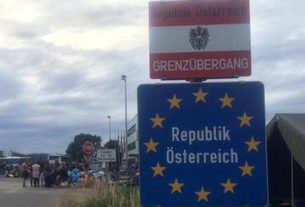
According to The Associated Press, Eslami was unable to attend because he remains subject to an international travel ban. A special exemption from the United Nations, required for him to participate, was reportedly never granted. Iran, however, has directed much of its anger at Austria, the IAEA’s host country, accusing Vienna of refusing to issue Eslami a visa and thereby failing in its obligations as host.
Tehran described the blocked participation as a “serious violation” of Iran’s rights as a member of the global nuclear watchdog. Iran’s IAEA ambassador, Reza Najafi, told delegates the move breached both the letter and the spirit of international cooperation.
The dispute lands against a backdrop of already strained relations. Since attacks on Iranian nuclear facilities in June 2025, Tehran has denied IAEA inspectors access to the damaged sites. The agency also remains unable to verify current stocks of highly enriched uranium inside Iran.
The row over Eslami’s absence now adds another layer of tension to negotiations over Iran’s nuclear programme and its broader ties with Western capitals. For many diplomats in Vienna, the empty chair reserved for Iran’s atomic chief became a visible symbol of how deeply trust has eroded between Tehran and the international community.