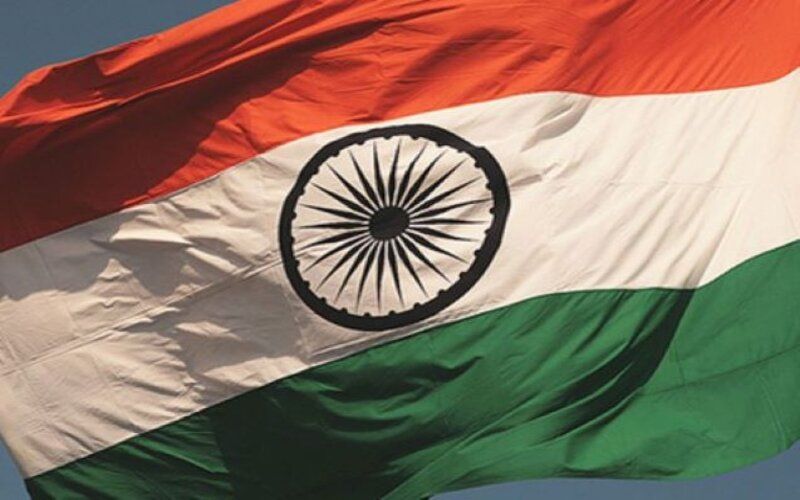
India has restored full diplomatic operations at its embassy in Kabul, signaling a cautious but significant step toward re-engagement with Afghanistan’s Taliban-led administration after years of estrangement, according to Dawn News.
The decision, announced Tuesday by the Ministry of External Affairs (MEA), elevates India’s limited “technical mission” established in 2022 to oversee trade and humanitarian aid, back to a full-fledged embassy.
“In keeping with the decision announced during the recent visit of the Afghan foreign minister to India, the government is restoring the status of the technical mission in Kabul to that of the Embassy of India in Afghanistan with immediate effect,” the MEA said in a statement.
It added that the move “underscores India’s resolve to deepen bilateral engagement with the Afghan side in all spheres of mutual interest” and to strengthen its contribution to Afghanistan’s development, humanitarian assistance, and capacity-building initiatives.
India had shut its embassy in August 2021 following the Taliban’s takeover after the withdrawal of U.S.-led NATO forces. A year later, it opened a small technical office to manage limited operations and coordinate aid shipments.
The restoration follows a landmark visit to New Delhi earlier this month by Afghan Foreign Minister Amir Khan Muttaqi — the first by a Taliban official since the regime’s return to power. Muttaqi’s meetings with Indian Foreign Minister Subrahmanyam Jaishankar focused on regional security, trade, and the future of bilateral ties.
While India has not formally recognized the Taliban government, analysts view the embassy’s reopening as a pragmatic acknowledgment of ground realities. About a dozen countries, including China, Russia, Iran, Pakistan, and Türkiye, maintain diplomatic missions in Kabul, though only Russia has officially recognized the Taliban administration.
For New Delhi, the move reflects a strategic recalibration, balancing humanitarian engagement and regional influence in a country that has long been central to India’s security calculus.