The international landscape is currently undergoing a series of seismic Global Geopolitical Shifts that are testing the resilience of institutions and the safety of vulnerable populations. From the dusty transit routes of Mexico to the historic corridors of power in Paris and Rome, the traditional order is being challenged by grassroots anger, diplomatic friction, and the desperate movement of people across borders. These events, though geographically distinct, weave a narrative of a world struggling to find equilibrium in an era of intense volatility.
- Migration Fatality: Two Honduran youths were found dead in Mexico, highlighting the lethal risks faced by those fleeing Central American instability.
- French Political Pivot: Emmanuel Macron has reached out to former President Nicolas Sarkozy to navigate the persistent ‘Yellow Vest’ crisis.
- Nuclear Brinkmanship: Moscow warns that triggering the Iran deal dispute mechanism could permanently derail Middle Eastern security efforts.
- New Governance: Italy’s new coalition government takes the oath of office as regional tensions rise over Palestinian normalization protests.
Ground Realities & Latest Developments
In the northern regions of Mexico, the human cost of the migration crisis has taken a grim turn. The recent killing of two migrant youths from Honduras has sent shockwaves through the humanitarian community. These young individuals, seeking a reprieve from the economic hardship and violence of their homeland, fell victim to the lawlessness that often plagues the transit routes toward the United States. This tragedy serves as a stark reminder that despite increased enforcement, the Global Geopolitical Shifts in migration patterns continue to lead vulnerable populations into high-risk environments.
Meanwhile, across the Atlantic, France is witnessing a rare political alignment. President Emmanuel Macron, facing the most significant challenge to his presidency in the form of the ‘Yellow Vest’ (Gilets Jaunes) movement, has reportedly turned to his predecessor, Nicolas Sarkozy, for counsel. The move suggests a strategic pivot toward the right as the administration seeks to restore order and address the economic grievances that have brought thousands into the streets of Paris and beyond.
Historical Context & Policy Background
The current instability in Europe is not limited to France. Italy has successfully sworn in a new coalition government, marking the end of a period of intense political uncertainty. This new administration faces the daunting task of balancing domestic populist demands with the stringent fiscal requirements of the European Union. The formation of this government is a critical component of the broader Global Geopolitical Shifts occurring within the EU, as member states grapple with the rise of nationalism and the demand for systemic reform.
“The convergence of domestic unrest in Europe and the collapse of diplomatic norms in the Middle East suggests we are entering a period where old alliances no longer guarantee stability.” — Senior Diplomatic Analyst
Voices from the Valley: Community & Expert Perspectives
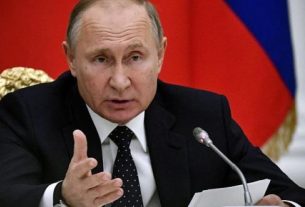
In the Middle East, the diplomatic friction between major powers is reaching a boiling point. Russia has officially voiced its concerns regarding the Joint Comprehensive Plan of Action (JCPOA), commonly known as the Iran nuclear deal. Moscow asserts that the implementation of a dispute mechanism by European signatories could be ‘harmful’ and potentially lead to the total dissolution of the agreement. This warning comes at a time when regional tensions are already heightened by Palestinian rallies against recent normalization deals between Israel and several Arab nations.
Data Breakdown & Key Metrics
| Region | Primary Conflict/Event | Current Status |
|---|---|---|
| Mexico/Honduras | Migrant Safety | Critical / High Risk |
| France | Yellow Vest Protests | Political Realignment |
| Middle East | Iran Nuclear Deal | Diplomatic Deadlock |
Strategic Ramifications & The Road Ahead
The Global Geopolitical Shifts we are observing today are not isolated incidents. The death of migrants in Mexico is a symptom of failed regional policies, while the protests in France and Palestine reflect a growing disillusionment with the status quo. As Italy’s new government begins its tenure, the eyes of the world will be on how these leaders manage the intersection of domestic pressure and international obligations.
The road ahead remains fraught with complexity. The potential collapse of the Iran deal could trigger a new arms race in the Middle East, while the continued unrest in Europe may force a total rethink of the centrist political model. For the families of the Honduran youths, the geopolitical shifts are not abstract concepts but a devastating reality that has claimed the lives of the next generation.
Frequently Asked Questions (FAQ)
Why is Russia concerned about the Iran deal dispute mechanism?
Russia believes that triggering the mechanism will lead to the reimposition of UN sanctions, which would effectively kill the JCPOA and remove any incentive for Iran to limit its nuclear program, further destabilising the region.
What does Macron’s meeting with Sarkozy signify?
It signifies a desperate search for political stability. By consulting with a former conservative president, Macron is attempting to broaden his appeal and find a way to quell the ‘Yellow Vest’ protests that have crippled parts of the French economy.
How are normalization deals affecting Palestinian territories?
The normalization deals are seen by many Palestinians as a betrayal of the traditional Arab consensus that peace with Israel should only come after the establishment of a Palestinian state. This has led to widespread rallies and a sense of isolation among Palestinian leadership.
This investigative feature was compiled by the Bureau Chief using ground reports and diplomatic dispatches. Internal factual verification completed on the date of publication.