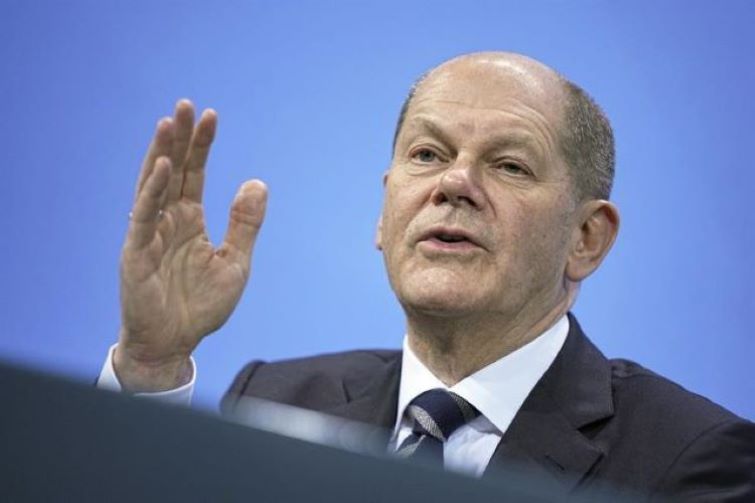
In a historic turn of events, German Chancellor Olaf Scholz failed a pivotal confidence vote in the Bundestag on Monday, triggering the dissolution of parliament and setting the stage for early federal elections. Scholz is expected to formally request the dissolution from President Frank-Walter Steinmeier later in the day, with Steinmeier likely to decide within the week. The elections have been tentatively scheduled for February 23, plunging Europe’s largest economy into a period of political uncertainty.
This marks only the sixth time since World War II that Germany’s Bundestag has faced a confidence vote. Until a new government is formed, Scholz will serve as a caretaker chancellor, albeit with diminished authority and a fractured coalition.
Budget Standoff Breaks Coalition Apart
The downfall of Scholz’s government stems from deep-seated disputes over fiscal policy within the fragile “traffic light” coalition of the Social Democrats (SPD), the Greens, and the Free Democratic Party (FDP). The crisis escalated after Christian Lindner, leader of the FDP and former finance minister, withdrew his party from the alliance, leaving the SPD and Greens without the parliamentary majority needed to govern effectively.
Speaking before the Bundestag during Monday’s heated session, Scholz accused the FDP of undermining his administration. “For weeks, we’ve witnessed the deliberate sabotage of this government by the Free Democrats,” Scholz stated. “Governance demands moral responsibility, a quality that was regrettably absent.”
Lindner countered with sharp criticism of Scholz’s fiscal strategy, particularly a proposal to reduce the value-added tax (VAT) on food items, which he dismissed as reckless and economically unsound. “Such a measure would drain billions from the budget without creating or saving a single job,” Lindner argued. In a scornful remark alluding to Germany’s carnival traditions, he added, “Governance is not a Mardi Gras parade where the Chancellor can throw sweets to the crowd. The stakes for Germany are far too high for such indulgence.”
A Nation at a Crossroads
The collapse of the coalition leaves Germany in uncharted political waters. While Scholz’s administration will continue in a caretaker capacity, its ability to address pressing national and global issues—ranging from economic challenges to geopolitical pressures—remains compromised.
Political analysts predict a fierce and possibly polarizing election campaign, as parties vie to redefine Germany’s path forward. With stability at stake, February’s snap elections may determine not only the country’s leadership but also its capacity to navigate the mounting economic and social challenges of the coming years.