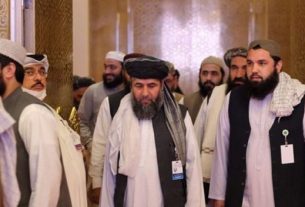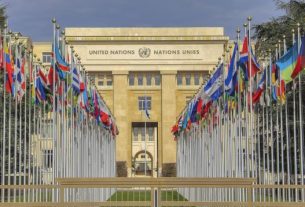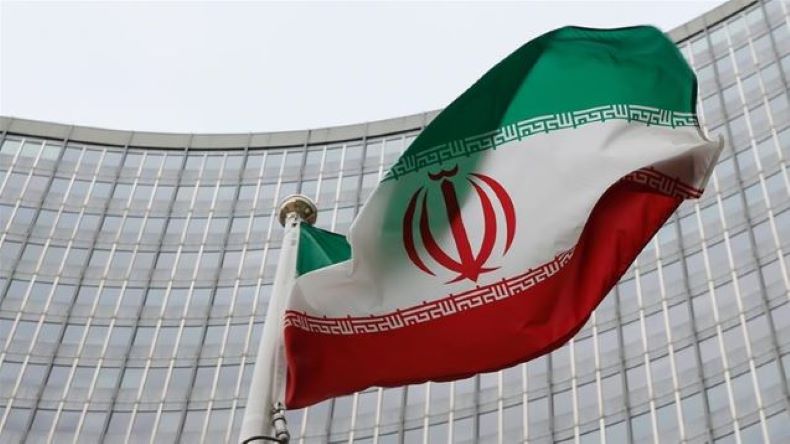
Geneva will once again serve as the stage for high-stakes diplomacy as Iran and three European powers—France, Germany, and the United Kingdom—resume nuclear negotiations on Tuesday, according to Iran’s semi-official Tasnim news agency, reported by The Nation News.
Leading Tehran’s delegation is Deputy Foreign Minister Majid Takht Ravanchi, who arrives at the talks under a cloud of mounting friction. Only days earlier, Iranian Foreign Minister Abbas Araghchi held phone calls with his counterparts in the three European capitals, as well as the European Union’s foreign policy chief. During those exchanges, Araghchi issued a pointed warning: any move to trigger the so-called “snapback” mechanism embedded in the 2015 nuclear accord would be, in his words, “legally baseless, morally unjustified and carry serious consequences.”
The mechanism, designed as a safeguard when the Joint Comprehensive Plan of Action (JCPOA) was struck in Vienna nearly a decade ago, enables signatories to swiftly reinstate United Nations sanctions if Iran is deemed in breach of its commitments. For Tehran, the mere suggestion of its activation signals a perilous escalation.
The JCPOA once promised a path out of isolation for Iran, limiting its uranium enrichment in exchange for sanctions relief. But the agreement has been under siege since 2018, when then-President Donald Trump withdrew the United States and reimposed sweeping sanctions. What followed was a slow unraveling: Iran gradually reduced its compliance, while the remaining signatories scrambled to salvage the deal.
Tuesday’s gathering in Geneva follows similar discussions held in Istanbul last month. European diplomats have framed the renewed dialogue as a last effort to steady a faltering accord, even as skepticism deepens on all sides.
For now, the diplomats will sit once more at the table, Geneva’s familiar neutrality offering no guarantee of compromise, but at least the possibility of a pause before the next storm.