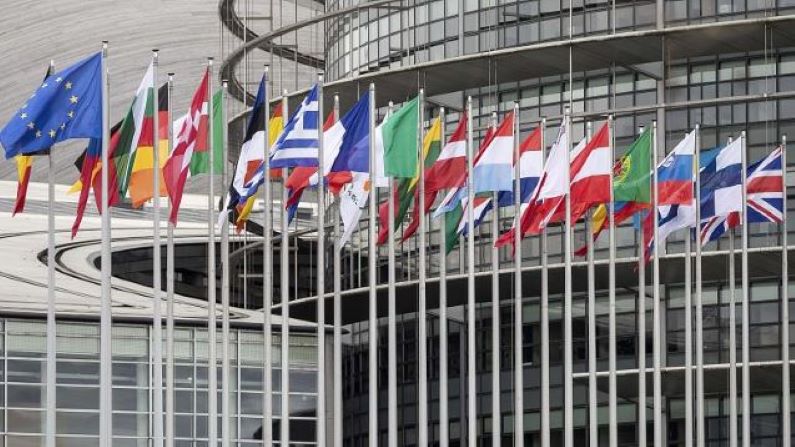
According to Euro News report, the European Commission has unveiled a comprehensive strategy aimed at bolstering crisis preparedness across its 27 member states. This initiative, known as the Preparedness Union Strategy, emphasizes the necessity for citizens to assemble a 72-hour emergency kit containing essentials such as food, water, and crucial documents to ensure self-sufficiency during unforeseen crises.
The plan, presented on Wednesday, outlines 30 concrete measures designed to fortify Europe’s resilience against a range of threats, including natural disasters, industrial accidents, cyberattacks, and military conflicts. The urgency behind this strategy stems from the realization that preparedness varies significantly across the EU, with some nations better equipped than others to handle emergencies.
Hadja Lahbib, Commissioner for Humanitarian Aid and Crisis Management, underscored the gravity of the situation, stating, “In the EU, we must think differently because the threats are different; we must think bigger because the threats are bigger too.” Meanwhile, Roxana Mînzatu, Commissioner for Preparedness, emphasized that the initiative builds upon past experiences, particularly the COVID-19 pandemic, which underscored the importance of solidarity and coordinated action within the European framework.
Several nations already provide emergency preparedness guidelines. France, for instance, recommends a 72-hour survival kit containing food, water, medications, a flashlight, spare batteries, cash, and essential documents. The EU aims to harmonize these recommendations to ensure a uniform approach, equipping all citizens with a clear action plan in times of crisis.
Stockpiling and Civil-Military Cooperation
Beyond individual preparedness, the EU is also focusing on stockpiling vital resources such as medical supplies, vaccines, and critical raw materials. Existing initiatives like the RescEU mechanism will be expanded, ensuring that nations have adequate resources to sustain industrial production and energy supplies during disruptions.
Furthermore, the Commission seeks to strengthen cooperation between civilian and military authorities, establishing a civil-military preparedness framework that defines roles and responsibilities during crises. Lessons from recent acts of sabotage, cyberattacks, and misinformation campaigns have demonstrated the necessity of a swift and coordinated response.
To support these efforts, the EU will establish a crisis coordination hub and launch a risk and threat assessment report in late 2026. In the interim, authorities will issue early warnings and develop a real-time crisis dashboard to keep member states informed of emerging threats.
By advocating for a structured and proactive approach, the European Commission aims to equip citizens and governments with the tools needed to navigate an increasingly unpredictable world, ensuring that vital societal functions remain intact under all circumstances.