BUDAPEST — In a dramatic shift that sent ripples across Europe, Hungary’s longtime nationalist Prime Minister Viktor Orban conceded defeat on Sunday night in parliamentary elections, ending his 16-year grip on power, according to Arab News.
Speaking to supporters as partial results showed a clear lead for the opposition, Orban described the outcome as “painful but unambiguous.” “The election results, though not yet final, are clear and understandable,” he said. “We have not been entrusted with the responsibility to govern.” He added that he had already congratulated the winning side.
The victor is Peter Magyar, a conservative political newcomer and former insider in Orban’s own Fidesz party. Leading the centre-right Tisza party, Magyar has promised a fresh start and “system change,” including better ties with the European Union and a stronger commitment to democratic values. Record voter turnout of over 79 percent underscored how deeply Hungarians felt this election mattered.
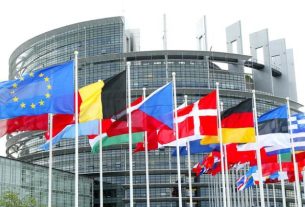
European leaders quickly welcomed the change. European Commission President Ursula von der Leyen posted on X: “Europe’s heart is beating stronger in Hungary tonight.” French President Emmanuel Macron also congratulated Magyar, writing that the result showed “the Hungarian people’s attachment to European Union values.” He added that France and Hungary would now work together for a more sovereign, secure and competitive Europe.
Orban, who often called himself a “thorn” in the EU’s side, had clashed repeatedly with Brussels over rule-of-law issues, foreign policy and Hungary’s sometimes warmer stance toward Russia. His defeat marks a significant moment for the bloc and for populist movements across the continent.
Magyar, once part of the ruling circle, broke away to build a broad opposition movement that attracted voters tired of long-standing rule. Early projections suggest Tisza may even secure a two-thirds majority in parliament, giving it power to change the constitution and unlock frozen EU funds.
As night fell over Budapest, many Hungarians spoke of hope mixed with caution. After years of division, the country now stands at the threshold of a new chapter, one shaped less by confrontation and more by renewal.