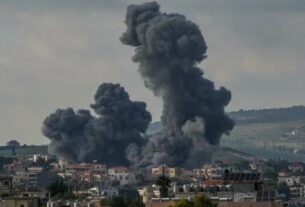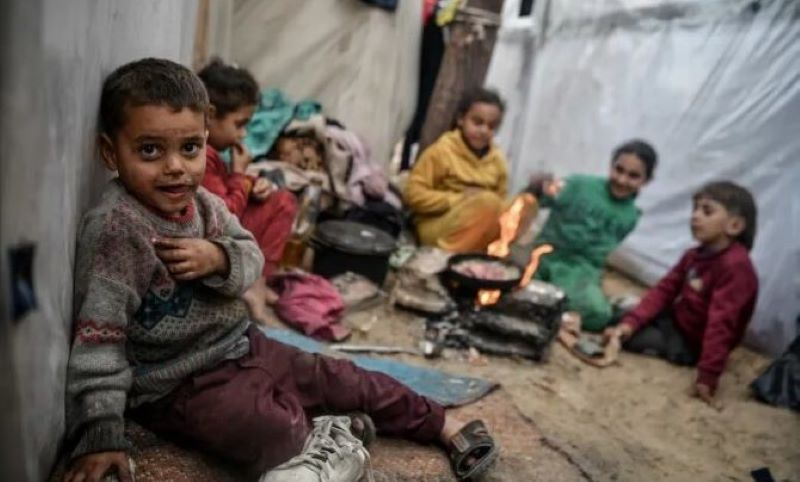
Nearly two years into the war in Gaza, the toll on children has reached staggering proportions. A United Nations committee reported Wednesday that at least 21,000 children have been left disabled since the conflict between Israel and Hamas erupted on October 7, 2023, reported by Express Tribune.
The UN Committee on the Rights of Persons with Disabilities said more than 40,500 children have suffered new war-related injuries, with more than half now living with long-term impairments. The findings paint a bleak picture of survival under relentless bombardment, widespread displacement, and shrinking humanitarian access.
The committee criticized Israel’s evacuation orders, saying they were often inaccessible for people with hearing or visual impairments, effectively making escape impossible. It cited harrowing accounts, including that of a deaf mother in Rafah who was killed with her children after missing evacuation instructions. Others with disabilities were seen crawling through rubble and mud, forced to flee without mobility aids.
Humanitarian restrictions have worsened the crisis. The committee noted that centralizing aid distribution through the new U.S.- and Israel-backed Gaza Humanitarian Foundation—with just four delivery points—has left the disabled population cut off from essential supplies. By contrast, the UN system previously operated nearly 400 sites.
Physical obstacles are equally devastating: war debris and the destruction of mobility devices have left 83 percent of disabled people without wheelchairs, walkers, or prosthetics. Many cannot afford alternatives, relying instead on donkey carts or the assistance of others. The committee also condemned Israel’s classification of wheelchairs, splints, and prosthetics as “dual-use” items, effectively banning their entry into Gaza.
In total, at least 157,114 people have been injured since the war began, with more than a quarter at risk of lifelong disability. Children remain among the most vulnerable, the committee warned, urging Israel to adopt evacuation protocols and protection measures tailored to people with disabilities.
“Children with disabilities must be reached where they are,” said committee member Muhannad Al-Azzeh. “We cannot expect them to run to aid distribution points. Aid must come to them.”
The committee called for “massive humanitarian aid” to address the urgent needs of Gaza’s disabled, who remain among the least visible—and most at risk—in this war.