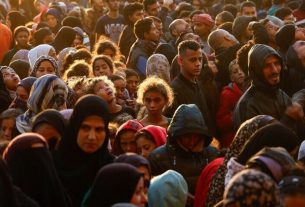
The United Nations is sounding the alarm over what it calls “extremely dire” conditions in Gaza, where heavy rains last week flooded large areas and left tens of thousands struggling to survive with winter fast approaching, according to Xinhua.
Four days after the storm, the UN Office for the Coordination of Humanitarian Affairs (OCHA) said Wednesday that more than 18,600 households have been affected, with thousands losing their shelters or being displaced yet again. That figure is expected to rise as aid groups complete additional assessments.
Despite ongoing efforts, OCHA warned that the flow of shelter supplies into Gaza remains far below what is needed. After a six-month ban was lifted in September, the UN and partner organizations brought in 60,000 tents, 346,000 tarpaulins, and 309,000 bedding items. But hundreds of thousands of people still require urgent protection from the cold.
Aid groups focusing on children have distributed 48,000 winter clothing kits since the Oct. 10 ceasefire. Nutrition teams report a slow decline in malnutrition cases, about 9,280 admissions in October, down from 11,740 in September; yet rates remain nearly four times higher than at the start of the year.
The situation is equally grim in water and sanitation. Over the past two days, partners have delivered diapers, towels, jerry cans, and other basics to help 400,000 people. But OCHA said sanitation conditions are “deplorable,” with Gaza lacking any wastewater treatment capacity after two years of war. In northern Jabalya, rain-swollen garbage ponds are at risk of overflowing, forcing aid workers to divert sewage into the sea as a temporary measure.
The UN is urging Israel to allow the entry of currently restricted items needed to repair shattered infrastructure and to permit NGOs greater access, warning that without expanded border crossings and faster aid delivery, public health dangers, including bacterial outbreaks will intensify as winter sets in.