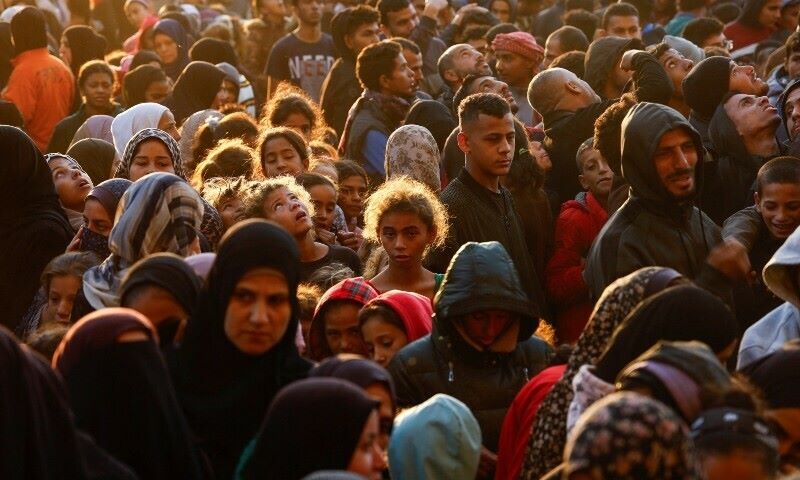
BRUSSELS — A confidential European Union review has found strong indications that Israel violated its human rights commitments under the EU-Israel Association Agreement due to its actions in Gaza and the West Bank. The findings, compiled by the European External Action Service (EEAS) and circulated to member states on Friday, raise pressure on Brussels to consider next steps amid mounting civilian suffering in the war-torn region.
According to a senior EU diplomat, the review outlines “numerous and serious” potential breaches, citing Israeli military strikes on hospitals, obstruction of humanitarian aid, mass arrests, arbitrary detentions, forced displacement, and ongoing settlement expansion — all of which are considered violations under international law.
The review was prompted by a request from 17 EU countries, led by the Netherlands, amid global outrage over civilian deaths, including those killed while queuing for aid in Gaza. Among the concerned nations were Belgium, France, Ireland, Spain, and Sweden. In contrast, Germany, Italy, Greece, and Hungary opposed the move, while Latvia remained neutral.
The EU-Israel Association Agreement ties trade and political cooperation to a mutual respect for human rights. While the full suspension of the pact is unlikely, partial measures—such as freezing trade, research, or diplomatic initiatives—are on the table. However, any serious action would require either unanimous or qualified majority approval from EU members, a tall order given the bloc’s divisions.
High Representative Kaja Kallas, who will brief EU leaders at an upcoming summit, warned against the “weaponization of humanitarian aid” and described the civilian suffering as “painful.” Diplomats say formal decisions will likely be delayed until the EU Foreign Affairs Council reconvenes in July.
Meanwhile, a separate request led by Belgium and eight other countries urges the EU to examine trade links with goods produced in Israeli settlements, which are considered illegal under international law.
As diplomatic fault lines deepen, pressure mounts on the EU to translate its human rights commitments into tangible policy.