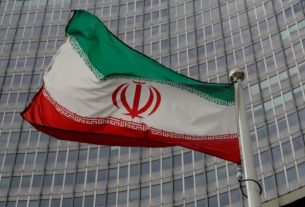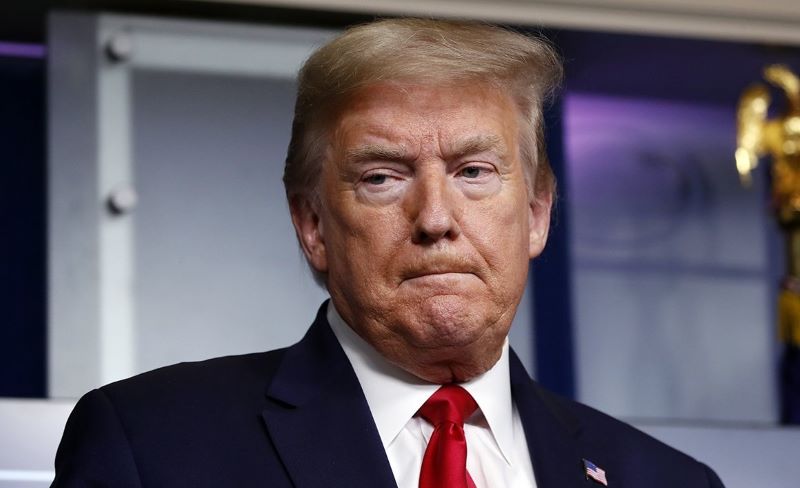
Tehran: Seven months into what President Donald Trump once dismissed as a “small potatoes” war with Iran, the conflict has grown into something far larger: a crisis touching energy markets, military spending, and the president’s standing at home.
Trump’s choice of words, a casual phrase for something trivial, now reads like an attempt to shrink a reality that keeps expanding. If the fight with Iran were truly minor, why, after more than half a year, does Washington still find itself unable to close the file?
That gap between rhetoric and reality lies at the heart of the problem. What was planned as a short, sharp campaign has turned into a drawn-out struggle with ripple effects well beyond the battlefield. The war has seeped into fuel prices, national budgets, regional security calculations, and even the mood of American voters, as reported by Mehr News Agency.
From the start, Trump bet that heavy military pressure would quickly bend Iran to US demands. That calculation misread not only Iran’s military resilience but, more importantly, its political will to hold firm. Instead of backing down under pressure, Tehran dug in, turning what was meant to be a swift strike into a slow, costly grind.
The true measure of this war, however, is not just in missiles fired or targets hit, but in how it has reshaped the economic and security landscape around it. The Strait of Hormuz, a narrow waterway through which a large share of the world’s oil passes, has become a focal point. Any lasting disruption there does more than strain US–Iran ties; it pushes up energy prices, raises shipping costs, and eventually lands in household budgets far from the Middle East.
That is why Trump has found himself repeatedly speaking about keeping Hormuz open. If this were a marginal conflict, securing one of the world’s key energy routes would not be a presidential priority. Yet fuel prices matter at home, especially when families are already stretched by the cost of living.
The bill for war also grows in less visible ways. Months of operations consume munitions, wear down equipment, and demand costly repairs and rebuilds. And even after fighting stops, the expenses continue replacing gear, caring for the wounded, and restoring military readiness can take years. A recent Forbes report warned that the financial consequences of this conflict could linger for decades, a political headache Trump cannot erase with a simple declaration of victory.
Now the war is testing Trump at home. A recent Financial Times poll puts his approval at just 33 percent, with 64 percent of Americans dissatisfied. Even among Republicans, only 53 percent approve of his economic performance. Voters may hear talk of military success, but they feel higher prices and uncertainty in their daily lives.
In the end, a war’s success is judged not by how small a president calls it, but by what it leaves behind. For Trump, what began as “small potatoes” may well become one of the costliest foreign policy bills of his presidency paid not in the Middle East, but in American kitchens, gas stations, and ballot boxes.