Tensions across the Middle East deepened on Monday as sharp warnings, political divisions, and ongoing military actions underscored the fragile state of the region, according to The Express Tribune.
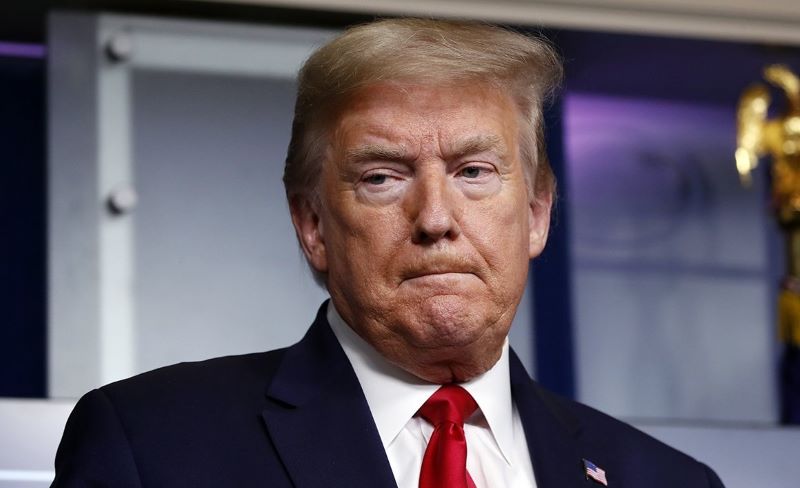
US President Donald Trump said Washington faces a stark choice in dealing with Iran: reach a new agreement or “finish the job.” Speaking briefly, he added that he would prefer a diplomatic deal, though his remarks signaled continued pressure on Tehran.
At the same time, Israeli Defence Minister Israel Katz issued strong threats toward Iran’s leadership. He claimed Israel had assassinated Supreme Leader Ali Khamenei over what he described as a plan to destroy Israel, and warned that any future Iranian leader pursuing similar goals could also be targeted. His comments came as large funeral processions were held in Tehran.
Iran reacted angrily. Foreign Minister Abbas Araghchi warned that any threat against Iran’s leadership or people would bring an “immediate and powerful response,” while also criticizing the United States for backing Israel.
Despite the heated rhetoric, Iranian Parliament Speaker Mohammad Bagher Ghalibaf suggested that limited diplomacy may still be possible. He described a recent memorandum of understanding with the United States as “difficult, but possible” to implement. However, he made clear that Iran remains deeply opposed to both Washington and Israel, and said Tehran would continue supporting its regional allies, including groups in what it calls the “axis of resistance.”
Meanwhile, violence continued in Lebanon despite a ceasefire framework agreed in late June. Israeli forces reportedly demolished homes in southern towns, including Aitaroun and Houla, and carried out explosions in the area. Drone flights were also reported over parts of Beirut.
The incidents come even as Israel and Lebanon, with US mediation, are holding talks aimed at easing tensions and preparing for a phased Israeli withdrawal from parts of southern Lebanon. The agreement links any withdrawal to the deployment of Lebanese forces and the removal of armed groups such as Hezbollah from certain areas.
Since March, ongoing clashes have caused heavy casualties, with thousands reported killed and injured. Israeli forces remain present in parts of southern Lebanon, and no clear timeline has been set for a full withdrawal.
As diplomacy struggles to gain ground, the region remains caught between negotiation and escalation, with each new statement and action adding to an already volatile situation.