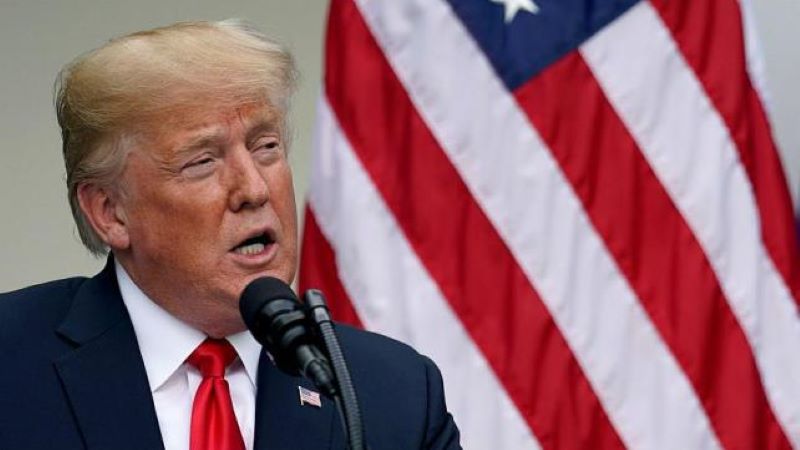
The fragile calm between the United States and Iran appeared to collapse on Wednesday as President Donald Trump declared a temporary agreement to end the conflict “over,” warning that new US strikes could come within hours, according to Arab News.
Speaking in Ankara ahead of a NATO summit, Trump signaled deep frustration with Tehran, casting doubt on the future of diplomacy. While he stopped short of formally announcing a return to full-scale war, his words suggested that negotiations were hanging by a thread. “I don’t want to deal with them,” he said, while still leaving a narrow door open for ongoing talks.
The tensions escalated after Iran said it had launched attacks on US military sites in Bahrain and Kuwait. The strikes were described as retaliation for earlier US operations targeting Iranian positions, including naval assets and missile systems, following attacks on oil tankers in the Strait of Hormuz.
The exchange has shaken hopes that a memorandum of understanding signed in mid-June could lead to a lasting peace. Instead, both sides appear to be drifting further apart, with each blaming the other for breaking the ceasefire.
On the ground, the conflict is already rippling through global markets. Oil prices surged more than five percent, reflecting fears over the safety of the Strait of Hormuz, a critical route for global energy supplies. At least four oil and gas tankers reportedly turned away from the waterway, highlighting growing risks to shipping. Stock markets, meanwhile, signaled unease, with major US indexes expected to open lower.
Military activity has intensified on both sides. US Central Command said it had struck more than 60 Iranian-linked boats, aiming to impose costs on Tehran for disrupting shipping lanes. Iran’s Revolutionary Guards, in turn, claimed responsibility for targeting US positions and downing a US drone.
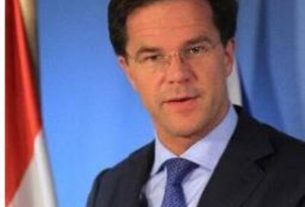
Officials across the international community expressed concern. NATO Secretary General Mark Rutte called the US strikes “necessary,” while European Union foreign policy chief Kaja Kallas warned that the renewed violence was complicating already fragile peace efforts.
At the heart of the conflict lies the Strait of Hormuz, where Iran holds significant strategic leverage. Analysts say Tehran has used this advantage to strengthen its position in negotiations, even as the risk of wider conflict grows.
With threats escalating and trust eroding, the path to peace now appears uncertain and the possibility of further confrontation looms large.