The United States has charged alleged Indian gang leaders Lawrence Bishnoi and Satinderjeet Singh, also known as Goldy Brar, with orchestrating the 2023 killing of Sikh separatist leader Hardeep Singh Nijjar in Canada. The charges were announced alongside a sweeping international law enforcement operation that authorities say dismantled several transnational organized crime networks, according to APP.
The announcement came from the US Department of Justice following “Operation Hardball,” a years-long investigation carried out in cooperation with law enforcement agencies in the United States, Canada, and Europe. According to federal prosecutors, the operation targeted three India-based criminal organizations accused of involvement in contract killings, extortion, drug trafficking, human smuggling, and illegal arms dealing.
Prosecutors said 37 people have been charged through three separate indictments. Authorities have arrested 24 suspects in the United States, Canada, and Spain, while 10 others remain at large. Investigators also seized nearly 1,000 kilograms of cocaine, one kilogram of heroin, about $40,000 in cash, and several firearms during the operation. The FBI has offered a reward of up to $50,000 for information leading to the arrest of Goldy Brar.
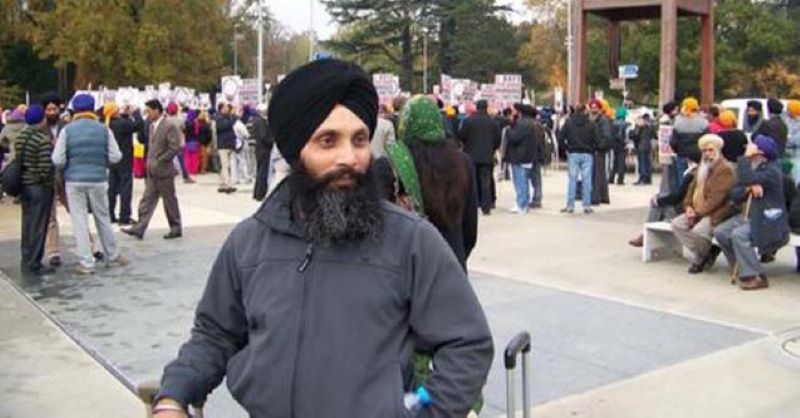
Nijjar, 45, was a prominent advocate for Khalistan, a proposed independent Sikh homeland in India’s Punjab region. He was shot dead by two masked gunmen in June 2023 in the parking area of the Guru Nanak Sikh Gurdwara in Surrey, British Columbia. His killing triggered a diplomatic dispute between Canada and India that continues to influence relations between the two countries. Four Indian nationals were arrested in Canada in 2024 and remain before the courts in connection with the case.
According to the US indictment, Bishnoi and Brar allegedly directed the assassination by supplying Nijjar’s photograph and location details to those involved in the attack. Prosecutors also alleged that senior members of the criminal network continued to direct international criminal activities from Indian prisons by using smuggled mobile phones and internet-based communication devices.
The Justice Department further accused the networks of targeting members of diaspora communities through extortion and violence while using international financial and communication systems to support their operations.
The allegations outlined in the indictments have not yet been tested in court. Indian authorities have not publicly responded to the latest US charges. The investigation remains ongoing as authorities in several countries continue efforts to locate remaining suspects and pursue related criminal cases.