Trump Scraps India Visit as Trade Rift Widens
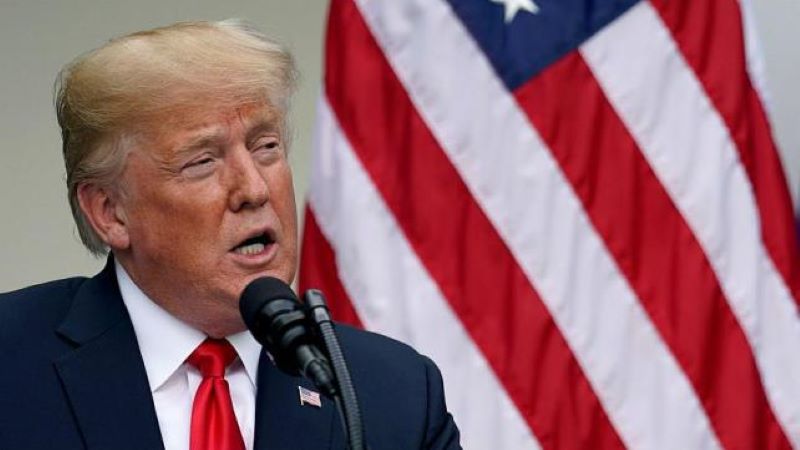
President Donald Trump has canceled his planned trip to India this year, a decision that underscores the deepening rift between Washington and New Delhi over trade and foreign policy, according to the New York Times.
The move marks a dramatic reversal in a relationship once celebrated at mass rallies in Houston and Gujarat, where Trump and Prime Minister Narendra Modi hailed each other as partners in reshaping global politics. Today, the mood is markedly different.
At the heart of the dispute lies trade. In recent months, the United States has doubled tariffs on Indian imports, raising duties to as high as 50 percent on goods ranging from jewelry and footwear to chemicals and sporting equipment. The increases stem largely from India’s continued purchases of Russian oil, which triggered an additional 25 percent tariff on top of Trump’s earlier duties.
Hopes for a limited trade pact collapsed amid growing mistrust. Indian officials, once confident of a breakthrough, now accuse Washington of “bullying.”
Diplomatic tensions deepened further after a contentious June phone call. Trump reportedly claimed personal credit for easing hostilities between India and Pakistan earlier this year, even suggesting that Pakistan planned to nominate him for the Nobel Peace Prize. Modi flatly rejected the claim, insisting that the ceasefire had been arranged without American mediation.
The canceled visit included a highly anticipated Quad summit, where the U.S., India, Japan, and Australia had planned to discuss regional security. Its removal from Trump’s schedule is seen in New Delhi as both a diplomatic slight and a warning of shifting U.S. priorities.
In response, Modi has sought to broaden India’s strategic options, traveling to China to meet President Xi Jinping and Russian President Vladimir Putin—a gesture that highlights India’s balancing act as ties with Washington fray.
The White House insists the two leaders remain in touch and maintain a “respectful relationship.” Yet Trump’s absence in New Delhi is viewed as a setback at a moment when both nations face pressing economic and security challenges.