In a heart-wrenching act of violence, eight Pakistani workers were brutally killed in Iran’s Sistan-Baluchestan province near the shared border of the two countries, reported by Pakistan media news. The victims, originally from Bahawalpur in Punjab, Pakistan, were employed at an automobile workshop in the remote village of Hazerabad, Mehrestan district. They specialized in vehicle painting, polishing, and repairs.
Among the victims were a father, Dilshad, and his son Naeem, along with Jafar, Danish, Nasir, and others. Local sources revealed that the men were found with their hands and feet bound, and had been shot at close range, a grim picture of a premeditated and cold-blooded attack.
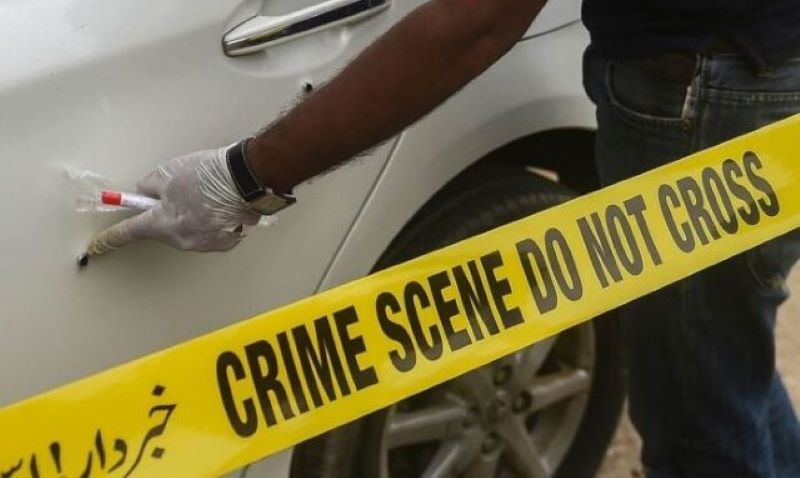
The assault took place under the cover of night. Unknown assailants stormed the workshop, opening fire without warning. All eight men were killed on the spot. Iranian security forces quickly sealed off the area and recovered the bodies. Although investigations are underway, the attackers remain at large and no group has claimed responsibility.
Early reports hint at the involvement of an anti-Pakistan militant group operating in the border region. The Pakistani embassy in Tehran has dispatched officials to the scene to assist with the identification of the bodies and collect more information.
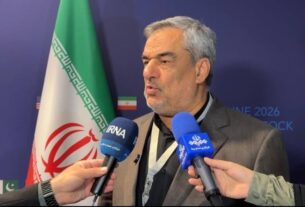
“We are in close contact with Iranian authorities,” said a spokesperson for the Pakistani embassy. “We will do everything possible to support the grieving families and ensure justice is served.”
This incident has reignited fears about the safety of Pakistani workers in Iran’s troubled eastern provinces. Many Pakistani labourers work in these regions due to demand in agriculture and auto services.
Tragically, this is not the first time violence has spilled across the border. Last year, nine Pakistanis were shot dead in a similar attack in Saravan, also in Sistan-Baluchestan.
These recurring tragedies highlight the fragile peace in Iran’s border regions, where ethnic tensions, criminal networks, and insurgent groups continue to fuel unrest.