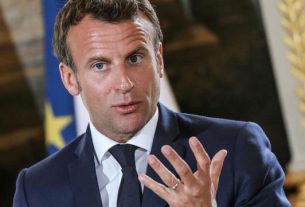
COPENHAGEN — A subtle shift in global geopolitical currents—one marked by urgency and fraught hope—unfolded as the EU’s top diplomat placed the power of choice squarely in Iran’s hands: “We have this 30 days to sort things out, reported by Arab News.” With those words, Kaja Kallas, the EU’s foreign policy chief, cast the weeks ahead as a make-or-break opportunity to sidestep renewed UN sanctions and resurrect fragile diplomacy on Iran’s nuclear ambitions.
On August 28, Britain, France, and Germany formally invoked the “snapback” mechanism embedded in the 2015 nuclear accord, known as the JCPOA. The move launched a 30-day clock—a vault of time in which diplomacy can still upend pressure with progress. If unmet, UN sanctions—ranging from asset freezes to arms and financial restrictions—will automatically reignite.
Cautious optimism intermingled with palpable tension. Iran’s Foreign Minister Abbas Araqchi conveyed Tehran’s openness to “fair” negotiations—but wrapped it in a caveat: genuine goodwill must guide the West’s actions.
Meanwhile, Germany ratcheted up its advisory, urging nationals to leave Iran over fears of possible retaliation tied to its role in the sanctions process.
On the other end of the spectrum, Russia lambasted Europe’s maneuver, decrying it as unjust and irresponsible, and accusing the West of bearing equal blame for the deal’s erosion.
At the United Nations, the tone remained tempered but firm—a recognition that time, though slipping, still offers a slender path to compromise. Europe, for its part, maintains that the snapback is reversible—with diplomacy, not destruction, as the overriding hope.
In the weeks ahead, each statement, each meeting, each concession—or refusal—will echo far beyond the clock’s fading minutes. Whether this diplomatic countdown concludes in accord or collapse depends on the willingness of all parties to choose dialogue over division.