The Hague Verdict Deepens Tensions Over the Indus Waters Treaty
The recent ruling by the Court of Arbitration in The Hague has once again brought India and Pakistan into diplomatic conflict. The court declared that India cannot unilaterally suspend the Indus Waters Treaty (IWT), the historic water-sharing agreement signed between the two countries in 1960, according to The Friday Times Pakistan. It also confirmed its authority to hear disputes related to the Kishanganga and Ratle hydroelectric projects.
Pakistan welcomed the decision, calling it a victory for international law and treaty obligations. India, however, rejected the ruling and described the tribunal as “illegally constituted.” The sharp difference in responses has widened tensions between the two nuclear-armed neighbours at a time when the region is already facing political uncertainty.
The verdict has also appeared during a noticeable change in India’s public discussion on Pakistan. Former RAW chief A.S. Dulat recently argued that dialogue with Pakistan remains necessary. He dismissed the belief that Pakistan could be defeated through military pressure or covert operations. Around the same time, the RSS leadership suggested that trade and diplomatic channels with Pakistan should remain open. Such statements stand in contrast to years of hardline rhetoric from influential voices in India.
This change may not reflect a change of ideology, but rather a change in global realities. For nearly two decades after 9/11, India enjoyed growing strategic importance for the United States. Economic investment increased, military cooperation expanded, and India became a key partner in Washington’s regional strategy against China.
During the same period, Pakistan faced pressure because of the war in Afghanistan and the global “war on terror.” India strengthened its international narrative by repeatedly linking Pakistan with regional instability and militancy.
However, the global balance now appears to be shifting. The changing relationship between the United States and China, especially after President Donald Trump’s renewed engagement with Beijing, has reduced India’s earlier strategic importance. Regional blocs such as BRICS and the Shanghai Cooperation Organisation are becoming more influential, while old international structures appear weaker than before.
The Hague ruling must be understood within this wider geopolitical setting. India’s refusal to accept the tribunal’s authority reflects a broader global trend in which major states increasingly challenge international institutions when rulings go against their interests.
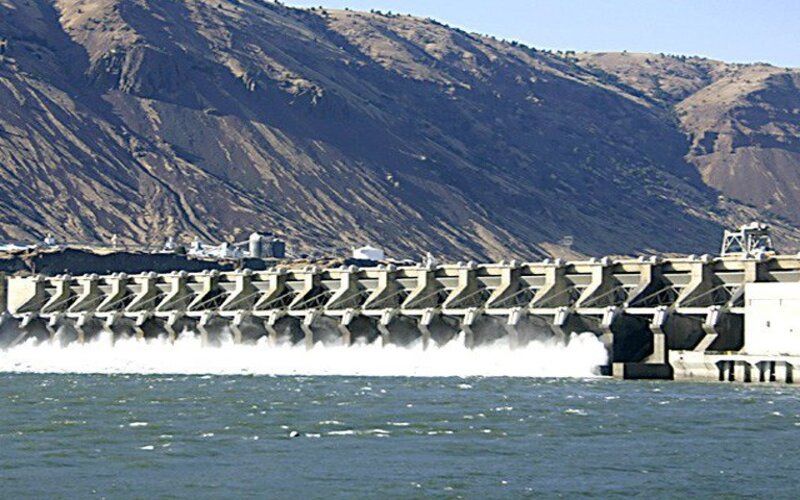
At the same time, the practical impact of suspending the Indus Waters Treaty remains limited. India still lacks the infrastructure needed to significantly block or redirect the western rivers; the Indus, Jhelum, and Chenab, for long periods. Yet concerns remain because water is becoming a strategic issue across Asia.
China’s construction of a massive dam project on the Brahmaputra River in Tibet has added another layer of pressure. The message from Beijing appears clear: if water can be used as leverage against Pakistan, similar pressure could be applied against India.
The debate has also revived questions surrounding Kashmir. Critics argue that India’s 2019 decision to revoke Article 370 weakened the spirit of the Simla Agreement, which treated Kashmir as a bilateral issue and formalised the Line of Control.
As South Asia enters a changing global order, the future of diplomacy, regional alliances, and water security may shape relations between India and Pakistan more than ever before.