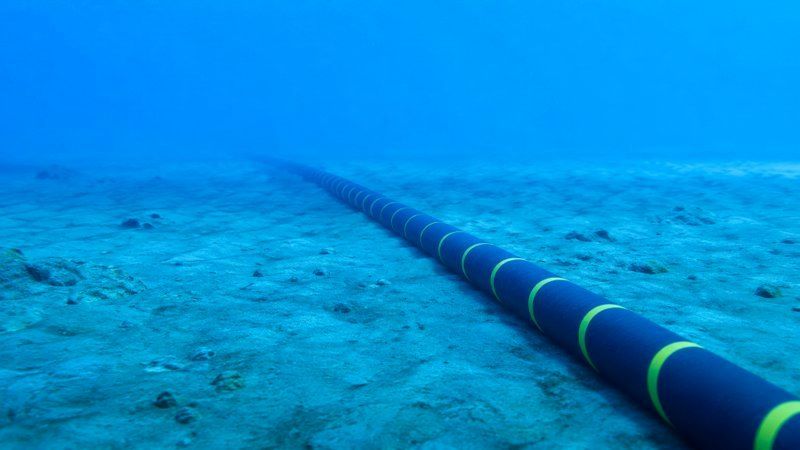
Iran is signaling a new and potentially controversial plan to charge fees on undersea internet cables that pass through the Strait of Hormuz, a vital global route for digital and financial data, according to Hurriyet Daily News.
According to Iranian media reports, authorities in Tehran are considering requiring major technology companies to pay for the use of submarine cables that run through the narrow waterway. These cables carry huge volumes of internet traffic connecting Europe, Asia, and the Gulf region, making the strait not only an energy corridor but also a key artery of global communication.
A spokesperson for Iran’s military, Ebrahim Zolfaghari, openly stated that charges would be imposed on such cables. Reports linked to the Revolutionary Guards suggest that companies like Google, Microsoft, Meta, and Amazon could be required to follow Iranian regulations if the plan moves forward.
Under the proposal, cable operators would need to obtain licenses and pay transit fees. Maintenance and repair work on these cables would also be limited to Iranian companies. Iranian officials believe the move could generate significant revenue, with one lawmaker estimating earnings of up to $15 billion.
At the same time, Iranian media hinted that companies refusing to comply could face disruptions to cable traffic, raising concerns about the stability of global data flows through the region.
However, many questions remain unanswered. It is still unclear whether all these cables actually pass through Iranian territorial waters, which would affect Tehran’s legal authority to impose such fees. In addition, U.S. sanctions currently prevent many international companies from making payments to Iran, making the proposal difficult to enforce in practice.
Reports suggest that at least seven major submarine cables serving Gulf countries cross the Strait of Hormuz, including key systems like FALCON, GBI, and Gulf-TGN.
Iran has also indicated it is developing a broader system to regulate maritime traffic in the strait, offering specialized services for a fee. Officials say only vessels and companies that cooperate with Iran would benefit from this system.
As details of the plan remain unclear, the proposal highlights rising tensions over control of critical global infrastructure in one of the world’s most strategically important waterways.