By Naeem Khan
Deadly Strikes Spark Crisis
In the early hours of Wednesday, tensions between India and Pakistan exploded into violence. India launched a sudden airstrike on six locations in Pakistan and Azad Jammu and Kashmir (AJK), targeting mosques, hydropower projects, and other civilian infrastructure. Islamabad labeled the attack a “blatant act of war.”
At least 31 civilians, including children, were killed, and 57 others injured. The strikes came in the wake of a deadly attack on tourists in Indian-occupied Jammu and Kashmir last month.
Pakistan Strikes Back
In a swift and powerful retaliation, Pakistan’s armed forces shot down five Indian Air Force jets and seven drones, destroying a brigade headquarters and several Indian checkposts along the Line of Control (LoC).
Deputy Prime Minister and Foreign Minister Ishaq Dar addressed the crisis, saying:
“India has done something that is not condonable. Pakistan will decide when, how, and in what form we will respond.”
Dar also confirmed that National Security Advisers (NSAs) from both countries have established contact following the attack.
Turkiye Stands by Pakistan
Turkiye was the first nation to issue a strong condemnation of India’s actions. President Recep Tayyip Erdoğan personally called Prime Minister Shehbaz Sharif, offering his full support and proposing efforts to calm the situation.
“Turkiye is like a very close brother,” Dar remarked, acknowledging the early show of solidarity.
The Turkish Foreign Ministry warned that India’s “provocative actions” could spark an all-out war and strongly condemned the targeting of civilians.
Call for Calm
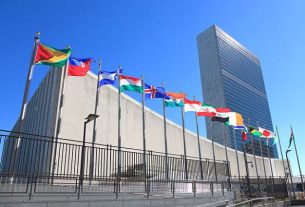
The United Nations and other global players have urged both nations to show restraint and resolve the conflict through dialogue, not destruction.
As the world holds its breath, hopes remain that diplomacy can light a path through the storm of rising hostility.