VIENNA — In the gentle light of early spring 2026, Austria is experiencing a quieter moment in its long-running migration story. New figures show a sharp decline in asylum applications, offering a sense of relief while also raising new questions about the future.
During the first three months of the year, Austria recorded 2,598 asylum applications; about 45 percent fewer than during the same period last year. Just two years ago, that number was nearly 7,000. The drop suggests that pressure on the system is easing, at least for now.
Of the total applications, only 1,074 came from people newly arriving in the country. The rest were repeat requests, family-related cases, or children born in Austria. Unaccompanied minors made up a small portion, with only 42 cases. Family reunification has nearly come to a halt, with just 25 people entering under this program so far. A temporary suspension of broader family reunification is expected to end mid-year, possibly replaced by a quota system that is still being debated.
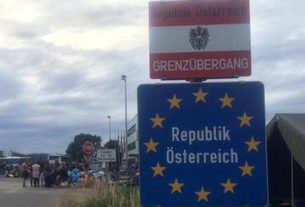
Officials point to stricter border controls and closer cooperation with neighboring countries as key reasons for the decline. These measures appear to have reduced irregular migration and eased pressure on welfare services. As of early April, around 49,800 people were receiving state support, slightly fewer than at the start of the year. More than half are displaced persons from Ukraine.
Meanwhile, decisions on protection continue. In the first quarter, about 3,549 people were granted some form of status. Subsidiary protection was given slightly more often than full asylum. Approval rates remain high for some groups, especially Afghans, while more Syrians now receive limited protection rather than full asylum.
Interior Minister Gerhard Karner has pledged to continue the current approach, aiming to reduce irregular migration even further.
For now, Austria finds itself in a moment of calm — a pause that offers time to reflect on how to balance security, responsibility, and humanity in the years ahead.