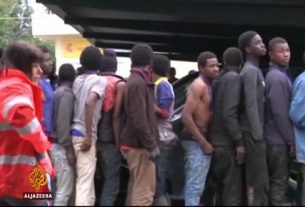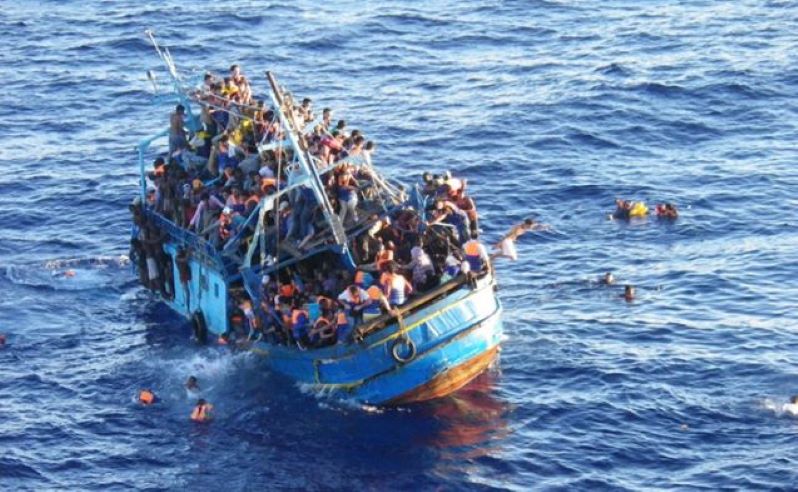
ATHENS – Greek authorities have reported rescuing over 170 migrants from unsafe boats in the past three days amid growing scrutiny of their treatment of migrants at sea. The recent rescues occurred primarily near the southern tip of the country, including the islands of Crete and Gavdos, reflecting an increase in arrivals along routes increasingly used by traffickers departing from Libya.
Criticism has mounted following allegations of mistreatment and unsafe practices by Greek authorities toward migrants. International human rights organizations have voiced concerns over reports of pushbacks and inadequate rescue operations, putting the spotlight on Greece’s handling of the migration crisis.
In the latest incidents, a Philippines-flagged tanker rescued 29 people found adrift 65 nautical miles south of Crete on Wednesday. Similarly, 45 individuals were saved overnight by a Marshall Islands-flagged cargo ship 42 nautical miles south of Gavdos. In both cases, migrants reported embarking from Tobruk, Libya, in the hope of reaching European shores.
Authorities intercepted a speedboat carrying migrants near the eastern island of Tilos on Tuesday. The chase ended with the vessel being run aground. A subsequent foot patrol located 31 individuals, including seven children and four women. A 37-year-old Moldovan national, believed to be the driver, was arrested.
On Monday, another 68 migrants were discovered in two separate instances: 19 men and a boy who had recently disembarked from a wooden boat on Crete’s southern coast and 48 men found on Gavdos. These incidents underscore a shift in migration patterns, with more migrants opting for the hazardous 300-kilometer journey from Libya instead of the shorter but heavily monitored route from Turkey to the eastern Greek islands.
Greece recorded over 60,000 migrant arrivals in 2024, a significant increase from just over 48,000 in 2023. Most traveled by sea, a journey fraught with peril. While the European Union has provided funding to support Greece’s border management, rights groups argue that some measures, including pushbacks, violate international law.
In response to the backlash, Greek officials have denied systematic mistreatment but acknowledge challenges in handling the growing influx of migrants. The country’s coast guard insists that recent rescues demonstrate a commitment to protecting lives at sea. Critics, however, highlight discrepancies, calling for independent investigations into allegations of abuse and negligence.
The situation reflects broader tensions in Europe over migration policies and burden-sharing. As Greece remains a key entry point for those fleeing conflict and poverty in the Middle East, Africa, and Asia, debates over how to balance security, humanitarian obligations, and regional cooperation intensify.
The migrants, many of whom seek asylum in Europe, recount harrowing journeys, often marked by overcrowded and unseaworthy vessels. These testimonies bring renewed urgency to addressing the root causes of migration and ensuring safe, humane treatment for those seeking refuge.
With increasing arrivals and global attention on its migration policies, Greece faces mounting pressure to demonstrate compliance with international standards while managing a crisis that continues to test the region’s solidarity and resolve.