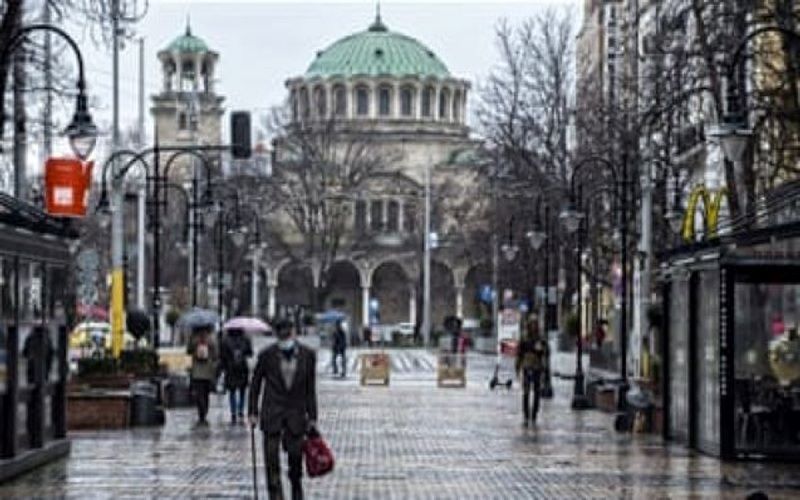
Bulgarians went to the polls on Sunday in their eighth parliamentary election in just five years, highlighting the country’s ongoing political instability and public frustration with corruption, according to Al Jazeera News.
Polling stations opened early in the morning, with voters casting their ballots after months of unrest. The previous conservative-led government collapsed in December following mass protests that brought hundreds of thousands of people, many of them young, into the streets. Demonstrators demanded an independent judiciary and stronger action against corruption, which they say has long shaped the country’s political system.
This election could mark a major political shift. Former President Rumen Radev, a left-leaning figure and former air force general, is seeking to become prime minister. He has promised to dismantle what he calls Bulgaria’s “oligarchic governance model” and has positioned himself as a supporter of last year’s anti-corruption protests.
Radev has also stirred debate with his foreign policy views. He has called for restoring ties with Russia and has criticized Bulgaria’s military support for Ukraine following Russia’s 2022 invasion. While he says he would not block European Union decisions, his stance has led opponents to accuse him of being too close to Moscow.
Bulgaria, a European Union member with a population of about 6.5 million, has struggled to form stable governments since 2021. Fragmented election results have repeatedly led to weak coalitions that collapse within months.
Opinion polls suggest that the pro-European GERB party, led by former longtime leader Boyko Borissov, could finish second, with around 20 percent of the vote. The liberal PP-DB alliance is expected to trail behind.
Official results are expected on Monday, but many Bulgarians are already bracing for another uncertain political chapter.