Russia’s military advance in eastern Ukraine is slowing sharply, even as its losses rise, raising new questions about the course of the war and the cost of continuing it, according to Al Jazeera News.
Moscow has set its sights on capturing the remaining 20 percent of Ukraine’s Donetsk region by the end of this year. But according to Ukrainian officials, similar deadlines have already been missed more than a dozen times. Analysts now say that at the current pace, it could take Russia years, possibly more than a decade, to fully seize the region.
Figures from the Institute for the Study of War suggest that Russia’s battlefield gains have fallen steeply. In the first half of 2025, Russian forces captured over 2,000 square kilometres of land. So far this year, that figure has dropped to just over 600. When accounting for Ukrainian counterattacks, the net gain shrinks even further, showing how little ground is being firmly held.
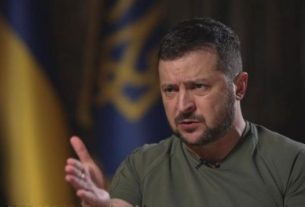
At the same time, casualties have surged. Ukraine estimates that nearly 40,000 Russian troops were killed or wounded in June alone, far exceeding the number of new recruits joining the army each month. President Volodymyr Zelenskyy warned that the human cost is becoming unsustainable, pointing to overall Russian losses that have reached well over a million since the war began.
Ukrainian officials credit their recent success to a shift in strategy. Over the past year, Kyiv has expanded its use of drones and long-range weapons, targeting supply lines, fuel depots, and key infrastructure behind Russian frontlines. This approach, described as a “logistical lockdown,” aims to weaken Russia’s ability to sustain its forces.
The impact has been visible. Ukrainian strikes have damaged oil refineries, military airfields, communication centres, and supply routes deep inside Russian-controlled territory and even within Russia itself. In June alone, hundreds of such strikes were recorded, with Ukrainian commanders claiming thousands of military targets were hit.
Despite these setbacks, Russia has signalled openness to peace talks though on its own terms. Officials have indicated a willingness to engage with US mediation, while rejecting ceasefire proposals put forward by Ukraine. President Vladimir Putin has argued that Russia’s long range strikes remain more powerful, giving Moscow leverage.
Beyond the battlefield, economic pressures are also mounting. Russia’s oil revenues, a key source of state income, have dropped significantly in recent months. Ukrainian strikes on energy infrastructure have made exports more difficult, while fuel shortages have been reported across parts of the country.
Though Russian leaders insist the situation is under control, signs of strain are emerging. As the war grinds on, both the human and economic costs continue to rise leaving the outcome uncertain and the path forward increasingly difficult to predict.