Aid Group Warns of Rising Threats in Mediterranean
Migrants attempting to cross the Mediterranean and the rescue crews searching for them are facing increasing threats from groups linked to Libya, humanitarian organisation SOS Mediterranee said on Monday.
The group warned that the central Mediterranean was becoming “increasingly hostile,” blaming what it described as expanding European cooperation with Libyan actors to prevent migrants from reaching Europe.
SOS Mediterranee said that on at least seven occasions in June and July, boats linked to Libyan groups approached rescue ships at high speed or followed them for hours, sometimes chasing them into international waters. The organisation also reported a sharp rise in unidentified speedboats associated with armed groups in Libya, according to Agency France Press.
According to the aid group, some of these boats carried out dangerous interceptions. They allegedly rammed vessels carrying people in distress and made reckless manoeuvres that placed the lives of migrants and rescuers at risk.
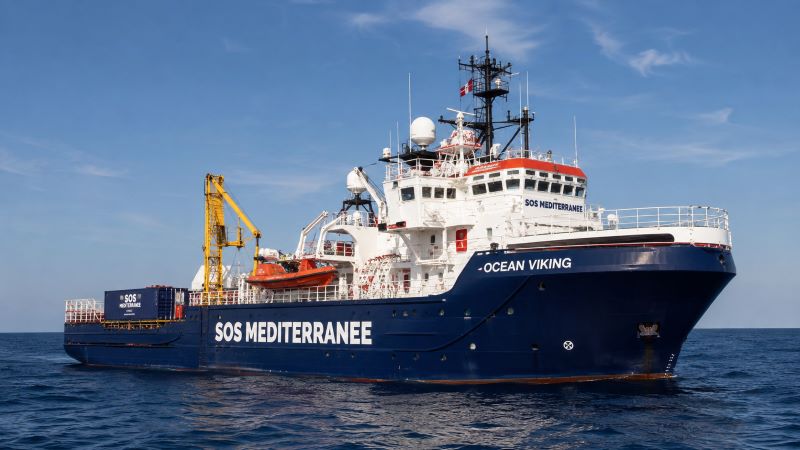
The warning comes after a previous incident involving SOS Mediterranee’s rescue ship Ocean Viking. The organisation said a Libyan coast guard vessel fired more than 100 shots at the ship in international waters last year while it was carrying 87 rescued migrants and its crew. Legal proceedings were launched in Italy, France and Germany, but SOS Mediterranee said no one had been identified or held responsible.
The group has called for a full and independent investigation, arguing that silence from European and national authorities has allowed dangerous behaviour to continue.
The central Mediterranean remains one of the world’s deadliest migration routes. The United Nations’ International Organization for Migration reported that 821 people died or went missing during the first four months of the year—a 111 percent increase compared with the same period in 2025.
At the same time, the number of migrant arrivals fell by 46 percent to 8,577. The IOM linked the decline to stricter European migration policies.
The figures reveal a troubling reality: fewer people are making the journey, yet the sea is claiming more lives. For those who survive, the crossing is marked not only by fear of drowning but also by the growing danger of violent confrontations at sea.