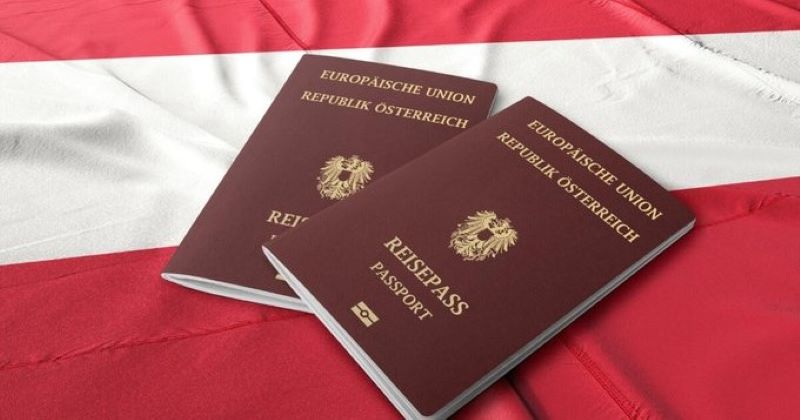
Austria is considering changes to its citizenship rules, with a key proposal focusing on language requirements.
Currently, applicants must demonstrate German skills at the B1 level. Under the new plan, this would increase to B2, a higher standard associated with more advanced communication abilities. At the same time, policymakers are discussing reducing the cost of naturalization, which can reach up to €3,000.
The proposed language increase could affect many long-term residents. While most are able to manage everyday life in German, reaching B2 often requires additional study, time, and financial investment.
The debate reflects broader questions about integration policy. Some policymakers argue that stronger language skills support participation in education, work, and public life. Others emphasize the importance of practical integration, such as employment, community involvement, and long-term residence.
In a European context, Austria’s proposal would represent a stricter approach. Countries including Germany, Switzerland, and Italy currently set the requirement at B1 for standard naturalization.
At the same time, data shows that around 29 percent of Austrian adults experience difficulties with reading and understanding everyday texts. This has led some experts to call for expanded adult education and literacy programs, alongside any changes to citizenship rules.
As discussions continue, Austria faces a balancing act between setting clear standards and ensuring that pathways to citizenship remain accessible for those already living and contributing to society.