Pakistan is facing a renewed wave of terrorism, with security forces reporting the deaths of 18 militants in separate operations in the northwestern and southwestern parts of the country, while a senior provincial lawmaker has rejected calls for local communities to form armed militias.
According to state media and security officials, 13 TTP members were killed during an intelligence-led operation in North Waziristan, a district near the Afghan border that has long been a centre of militant activity. Five Baloch insurgents were also reported killed during a separate operation in Mastung district in Balochistan. Authorities said weapons and ammunition were recovered and that search operations were continuing, reported by Pakistan TV.
Pakistan’s president and prime minister praised the security forces, describing the operations as part of a broader campaign to curb militant violence. The government has said such operations will continue until armed groups are eliminated and security is restored.
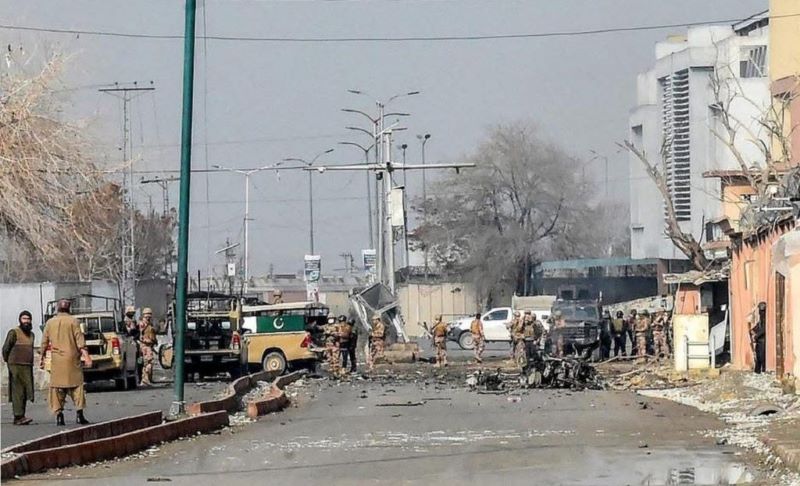
The latest operations come amid a wider increase in violence across Pakistan. In recent weeks, attacks have killed civilians and security personnel in several parts of the country. A bombing near a joint security checkpoint in Dera Ismail Khan last week killed 12 people and injured 35 others. Earlier, a mosque bombing at a police compound in Kohat killed 23 people, including 15 police officers. Several militants were later killed during a security operation, reported by The Express Tribune.
In another incident, six security personnel were killed in clashes in Hangu district, while eight militants were reported dead. Balochistan has also experienced repeated attacks, including an assault in Ziarat in July in which at least 30 people, mostly police officers, were killed.
Meanwhile, police said they had foiled an attack on a police post in Kohat. Four police personnel were wounded in the exchange of fire and were reported to be in stable condition. Authorities said a search operation was launched after the attackers withdrew.
The worsening security situation has also sparked debate over whether local communities should take a greater role in fighting armed groups. Younus Aziz Zehri, an opposition member of the Balochistan Assembly, rejected proposals for politicians or communities to establish armed militias.
He argued that protecting citizens is the responsibility of the state and its security institutions, warning that political representatives should not be drawn into armed confrontations.
Similar concerns have been raised by religious and political figures, who have opposed calls for civilians to take up arms against militants. The debate comes amid reports that former Afghan security personnel are being recruited into pro-government armed groups in Balochistan, although provincial authorities have said the claims lack verified evidence.
As violence continues to spread across different regions, Pakistan faces the difficult task of strengthening security while preventing the conflict from drawing more civilians and local communities into an increasingly dangerous cycle of violence.