EU warns of painful winter despite stable energy supplies
DUBLIN: Europe is not facing an imminent energy shortage, but a harsh winter could still leave millions struggling to heat their homes as prices remain stubbornly high, the European Union’s top energy official warned on Tuesday.
EU Energy Commissioner Dan Jørgensen said the bloc must shield consumers from another price shock while continuing to reduce its dependence on fossil fuels. Emergency measures can ease the immediate pain, he told reporters on the sidelines of an informal meeting of energy ministers in Dublin, but short term subsidies and tax breaks must not derail the green transition, reported by Euro News.
Nearly 50 million Europeans already cannot adequately heat their homes in a normal winter, Jørgensen noted, underlining the social risk if costs surge again. “We are looking into all ideas of how we can make rules more flexible, be more efficient in our implementation, do what we can, both on the supply and the demand side,” he said.
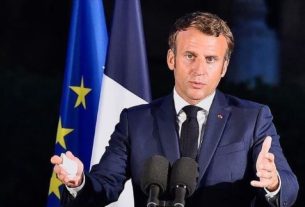
The commissioner welcomed French President Emmanuel Macron’s call for a temporary relaxation of some fuel rules to help refineries boost diesel output. By contrast, Fatih Birol, head of the International Energy Agency, said another coordinated emergency oil release was not a top priority. Countries have so far tapped about 20 percent of their strategic stocks, leaving roughly 80 percent in reserve if disruptions worsen, he added.
To ease market pressure without abandoning climate goals, the European Commission plans to delay by one year the enforcement of parts of its methane rules covering imports. “We stick to the objectives, we stick to our ambitions, but I’m proposing now that we… postpone the set and force date by one year,” Jørgensen said.
Despite elevated prices, the commissioner insisted the long term answer lies in accelerating the shift to renewables, electrification and efficiency. He ruled out a new EU wide windfall tax, leaving member states to design national schemes within bloc rules. He and Birol also urged governments to rethink tax systems that heavily burden electricity while taxing gas more lightly, arguing that affordable power is essential if households and industry are to switch away from fossil fuels.
Gas storage remains a key vulnerability. EU rules now require an 80 percent fill target, down from 90 percent, but Jørgensen warned that falling significantly short this winter could leave the bloc entering the next refill season with dangerously low reserves. Birol stressed that cooperation with suppliers such as Norway, Canada and Nigeria would be critical if disruptions return. For many Europeans, the coming months will test whether flexibility and green ambition can coexist when bills are due and temperatures drop.