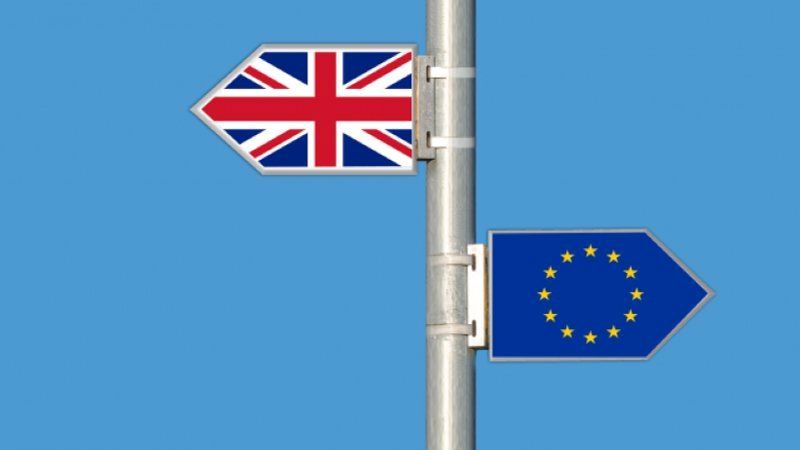
Brexit has done more harm than good; UK must choose its EU future
LIVERPOOL: British Prime Minister Andy Burnham said on Tuesday that Brexit “has done more harm than good” and promised to set out a range of options for the UK’s long term relationship with the European Union, arguing that clarity on Europe is essential if Britain is to secure its place in the rest of the century.
Speaking at the Labour Party’s annual conference in Liverpool, Burnham said the country could not have “the clear path we need” without deciding how it will engage with the EU, which he called “still our largest market.” The UK left the bloc in 2020, four years after a referendum in which about 52 percent voted to leave.
“And there are different options, and I will see if we can find consensus around one, which will give us clarity about our position and the future of the continent that we live in,” he told delegates.
Burnham also announced that Labour’s next manifesto would include a commitment to change the UK’s electoral system. He said he was establishing a “new national commission on electoral reform” and invited all parties to take part. “We will contest the next election with a manifesto commitment to change the electoral system so that everyone’s vote counts and everyone’s voice is heard,” he added.
The prime minister pledged to put Britain “on a new path” with policies on water, housing, energy and education, acknowledging he “may pay a political price” for tough choices. “Someone has to go through the pain barrier and rip the plaster off,” he said.
On water, Burnham said Environment Secretary Angela Eagle would introduce a strengthened bill repealing what he called “Margaret Thatcher’s ideological ban on public ownership of water companies.” He stopped short of promising to nationalise specific firms but called water “a symbol of what has gone wrong with Britain,” citing sewage dumping, high bills and crumbling infrastructure.
He promised easier action against negligent landlords, lower energy prices and a push to decouple green power costs from gas. On schools, he vowed to rebuild comprehensive education with equal status for academic and technical routes.
Burnham criticised decades of privatisation, saying essential services had been “broken up and sold off.” His economic strategy, he said, would mix nationalisation and devolution while sticking to fiscal rules to reduce borrowing and debt. Changes to those rules, he added, could be considered only if Labour remains in power beyond 2029.