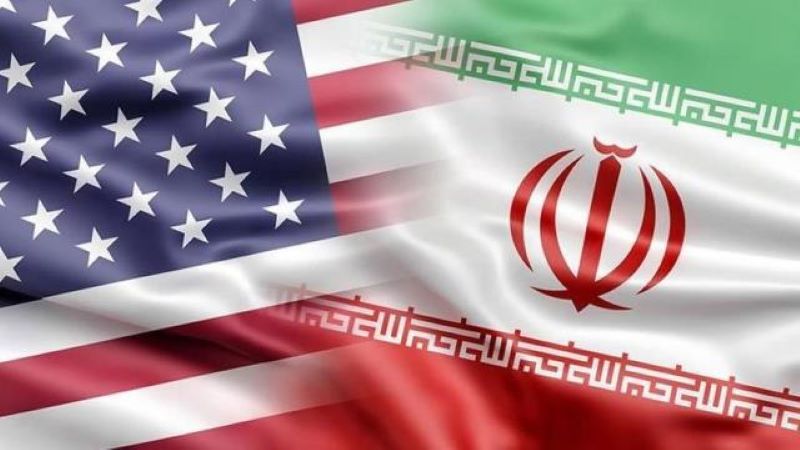
In the quiet capital of Oman, Muscat, a fragile thread of diplomacy is about to be tested once more. Tomorrow, indirect talks between Iran and the United States will begin, weeks after repeated setbacks threatened to unravel the entire effort, according to Dawn News. The mere fact that the meetings are happening feels like a small victory in a long, bitter rivalry, even though hopes for any real breakthrough remain faint.
The path to these discussions has been rocky. Plans stumbled over military flare ups, arguments about where to meet, and sharp disagreements on what could even be discussed. At one low point, Washington seemed ready to walk away. Yet each time, cooler heads and urgent warnings from Gulf neighbors pulled the process back from the brink. The alternative, everyone knows, is far more dangerous; open conflict that would rage across the region, disrupt global energy markets, and leave devastation in its wake.
At the heart of the tension lies a fundamental clash over the agenda. Iran agreed to talk about its nuclear program, insisting it has no interest in building weapons. But the United States, under President Donald Trump’s team, pushed to widen the conversation to include Iran’s ballistic missiles, its support for regional proxies, and even its internal governance. For Tehran, this felt like a familiar trap: diplomacy disguised as a tool to force one-sided concessions rather than solve a single, clear problem.
Iran drew firm red lines. Talks must remain indirect. They must take place only in Oman, not Turkey as Washington preferred. And they must stay strictly focused on the nuclear issue, nothing more. When U.S. Secretary of State Marco Rubio publicly insisted on tackling the broader issues, Iran hardened its stance, seeing confirmation of its deepest suspicions.
Behind the scenes, regional players, especially Gulf states, quietly pressed both sides to compromise. They have no appetite for war on their doorstep. Their pragmatic push helped Washington back down, at least for now. The agenda has narrowed back to nuclear matters, and Oman has been accepted as the neutral ground.
Analysts offer mixed views on Iran’s position. Some, like Shashank Joshi of The Economist, argue that Tehran’s leverage has shrunk dramatically. Hezbollah weakened, Syria’s Assad regime fallen, economic pressures mounting, domestic unrest simmering Iran, they say, has fewer cards to play. Others counter that Washington misread the room. Iran’s missile arsenal and its ability to impose costs remain potent deterrents, as shown in last year’s 12 day war with Israel, which ended in stalemate rather than decisive victory.
The shadow of Israel looms large. Tel Aviv continues to urge confrontation, and its influence is visible in the steady expansion of American demands. Yet memories of that brief but intense conflict remind everyone of the risks: escalation could spiral quickly, sparing no one.
Iranian officials, speaking privately, point to a “pattern of shifting U.S. positions” as the real obstacle not the choice of venue. They view any concession on missiles or allies as an invitation for endless new pressure. Tehran sees these talks as a tactical pause in a decades long struggle, not a path to friendship.
Both sides have taken small steps to lower the temperature; postponed military drills, eased treatment of detainees, softened public rhetoric. Negotiators with real authority, Abbas Araghchi and Ali Larijani for Iran, Steve Witkoff joined by Jared Kushner for the U.S., will sit down today. They may prevent procedural collapse, but the deeper ideological and geopolitical divide endures.
For now, Muscat represents cautious management of a dangerous rivalry, not its resolution. Expectations stay low. The talks may stall or even fail, but they keep the door cracked open just enough to avoid the worst.