Italy has temporarily suspended the European Union’s Schengen free-travel agreement with Spain for one month after a large wave of migrants entered the Spanish enclave of Ceuta from neighbouring Morocco. The move reflects growing concerns over border security and migration across Europe.
Although Italy and Spain do not share a land border, travellers flying or sailing between the two countries will now be required to present passports or other travel documents, according to Reuters. The Italian Interior Ministry also announced stronger border checks with France to prevent undocumented migrants from crossing into Italy.
The decision has sparked political debate. Critics say the measure is largely symbolic because there is no clear evidence that the migrants who reached Ceuta planned to travel to Italy. They argue that the government is trying to appear tough on immigration rather than solving the wider migration challenge.
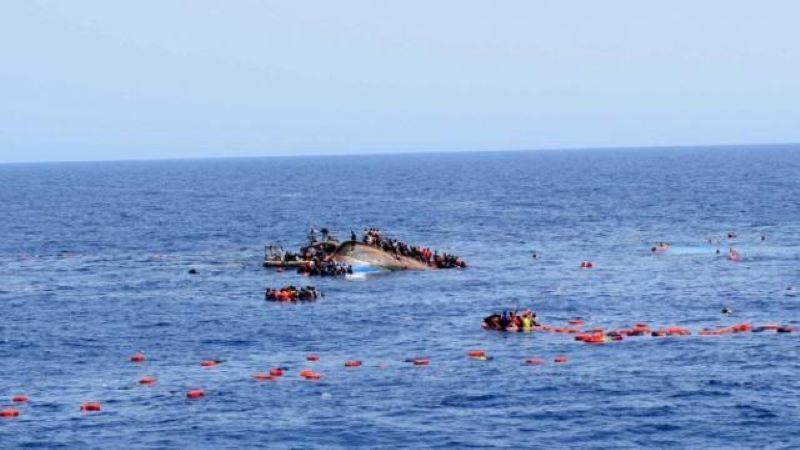
The move follows Spain’s announcement that the migrant surge into Ceuta had been brought under control. Spanish authorities said that most of the more than 50,000 migrants who crossed into the North African enclave had returned to Morocco voluntarily.
Prime Minister Giorgia Meloni’s government, elected in 2022 with promises to reduce illegal immigration, has recently faced increasing pressure from the far-right party led by former army general Roberto Vannacci. As migration once again dominates political debate, the government has sought to reassure voters by strengthening border controls.
Opposition leaders accused the government of using the issue for political gain. Democratic Party lawmaker Piero De Luca described the decision as a “demagogic proposal” aimed at winning support rather than addressing the real causes of migration.
The Schengen Area normally allows passport-free travel across 29 European countries. However, member states are permitted to temporarily restore border controls when public security or public order is considered at risk.