In recent days, Turkey has witnessed widespread protests following the arrest of Istanbul Mayor Ekrem Imamoglu, a prominent opposition figure and potential challenger to President Recep Tayyip Erdogan. Authorities detained Imamoglu on allegations of corruption and links to the outlawed Kurdistan Workers’ Party (PKK), charges he firmly denies.
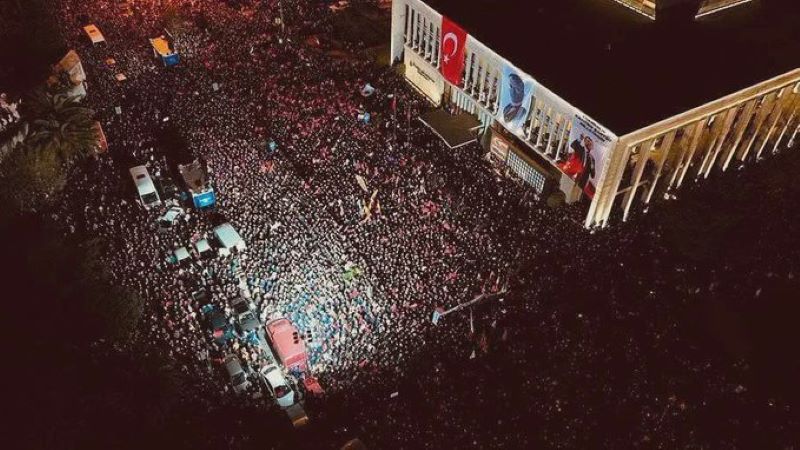
The Interior Ministry reported that 343 individuals were detained during overnight protests in multiple cities, including Istanbul and the capital, Ankara. These demonstrations, largely peaceful, have seen tens of thousands of citizens expressing their dissent against what they perceive as politically motivated actions.
Imamoglu’s arrest came just days before the Republican People’s Party (CHP), the main opposition party, was set to nominate him as their candidate for the 2028 presidential elections. The CHP has condemned the detention, urging supporters to protest lawfully and emphasizing their commitment to democratic principles.
The charges against Imamoglu include accusations of aiding and abetting a terrorist organization, specifically the PKK, and involvement in bribery, extortion, and corruption. He was subjected to extensive police questioning and is expected to appear before prosecutors for further interrogation.
In response to the arrest, massive demonstrations have erupted nationwide. In Istanbul, hundreds of thousands gathered outside City Hall, defying protest bans and heavy police presence. Riot police have used rubber bullets, pepper spray, water cannons, and tear gas to disperse crowds. Similar clashes have occurred in other cities, reflecting a growing public outcry against perceived governmental overreach.
The unrest has also impacted Turkey’s financial markets. The Turkish lira has depreciated, and the stock exchange’s BIST 100 index closed down nearly eight percent, signaling investor anxiety over the country’s political stability.
International reactions have been cautious. German Chancellor Olaf Scholz expressed concern over the implications of Imamoglu’s arrest on EU-Turkey relations, highlighting worries about democratic backsliding in the country.
The situation remains tense as authorities maintain a firm stance against the protests, warning of zero tolerance for “chaos and provocation.” Despite this, opposition leaders continue to call for peaceful demonstrations, emphasizing the importance of protecting democratic values and the rule of law in Turkey.
As events unfold, the international community watches closely, concerned about the future trajectory of democracy and political freedom in Turkey.