A wave of unrest has swept across Pakistan-administered Kashmir, as a region-wide strike called by the Jammu Kashmir Joint Awami Action Committee (JAAC) brought daily life to a halt and exposed deep political and economic tensions.
On June 9, shops shuttered, roads emptied, and public transport stopped across Azad Jammu and Kashmir (AJK). The strike, led by a coalition of traders, lawyers, students, and civil society groups, was aimed at challenging what organizers describe as unfair political arrangements ahead of the July 27 elections.
At the heart of the dispute is a demand to abolish 12 legislative seats reserved for Kashmiri refugees living in other parts of Pakistan. JAAC leaders argue that these seats weaken local representation and dilute the voice of residents within AJK.
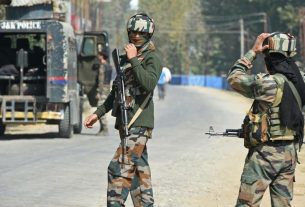
Authorities, however, moved swiftly ahead of the strike. On June 5, the government banned the JAAC under anti-terrorism laws, citing security concerns. Internet restrictions were imposed, and security forces were deployed across several districts.
Tensions soon turned violent. In Rawalakot, in Poonch district, clashes between protesters and security forces left multiple people dead and dozens injured. Official figures report around 11 deaths, including protesters, police personnel, and at least one civilian passerby, with more than 70 others wounded. Accounts differ on how the violence unfolded, with both sides accusing each other of using force.
Human rights groups, including Amnesty International, have called for independent investigations into allegations of excessive force, arbitrary arrests, and possible extrajudicial actions. They have also urged authorities to examine any violence linked to protesters.
Each side has defended its position. Security forces are accused of heavy-handed tactics, while some protesters have been blamed for disrupting public order and attacking personnel. JAAC leaders insist their movement remains peaceful, focused on political rights and economic concerns such as rising electricity costs and access to subsidized flour.
The unrest has also echoed beyond the region. Kashmiri diaspora communities staged protests in cities across the United Kingdom, Canada, and parts of Europe, calling attention to alleged human rights violations and urging accountability.
With elections approaching and talks at a standstill, the crisis in AJK reflects a fragile moment. Calls for restraint, dialogue, and transparent investigations are growing louder, as many fear further escalation if tensions remain unresolved.