A key element of the U.S.-Israeli strategy in the ongoing war against Iran, the hope that intense military strikes would spark a widespread popular uprising to topple the government from within, has not come to pass after three weeks of fighting.
According to a report in The New York Times published on March 22, 2026, Israeli intelligence officials, led by Mossad chief David Barnea, had assured Prime Minister Benjamin Netanyahu before the conflict began that Mossad operations could quickly rally opposition groups inside Iran. They predicted that riots, acts of defiance, and broader rebellion might erupt within days of the initial attacks, potentially leading to the collapse of Iran’s theocratic regime.
Netanyahu embraced this assessment and shared it with U.S. President Donald Trump, helping build confidence that regime change and a swift end to the war was within reach. Yet senior American officials and some Israeli military intelligence experts had warned from the start that ordinary Iranians were unlikely to take to the streets amid heavy aerial bombardment and the constant threat of government crackdowns.
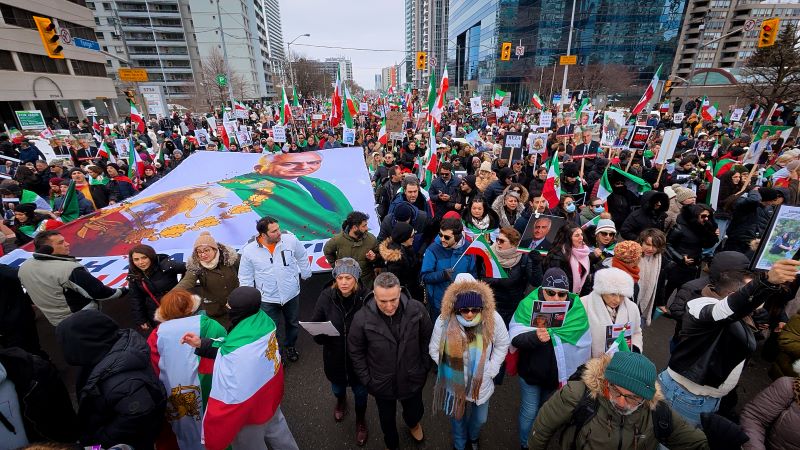
Those cautions have proven accurate. Three weeks into the conflict, which began in late February with massive U.S. and Israeli airstrikes including the killing of Iran’s supreme leader, no mass protests or rebellion have emerged. Intelligence assessments from both nations now describe the Iranian government as battered and under severe pressure, but still firmly in control. Fear of harsh repression by security forces has kept most people at home, stifling any momentum for internal revolt.
Behind closed doors, Netanyahu has expressed frustration over the lack of results from Mossad’s efforts. In one early security meeting shortly after the war started, he reportedly voiced disappointment that promised operations had yet to yield visible change, adding that Trump might lose patience and withdraw support if progress stalled.
A related part of the plan, supporting Iranian Kurdish militias based in northern Iraq for cross border actions against Iran, has also quietly fallen apart. Early Israeli strikes in northwestern Iran aimed in part to pave the way for such incursions, but U.S. interest faded rapidly. Türkiye, a NATO ally, strongly opposed any backing of Kurdish forces, and on March 7, President Trump personally instructed Kurdish leaders to stand down.
The absence of an internal uprising has shifted expectations for how the war might unfold. While the campaign has inflicted heavy damage on Iranian military and nuclear sites, the path to a quick resolution through popular rebellion appears blocked for now, leaving both Washington and Jerusalem to grapple with a longer, more uncertain fight.__Photo Courtesy X