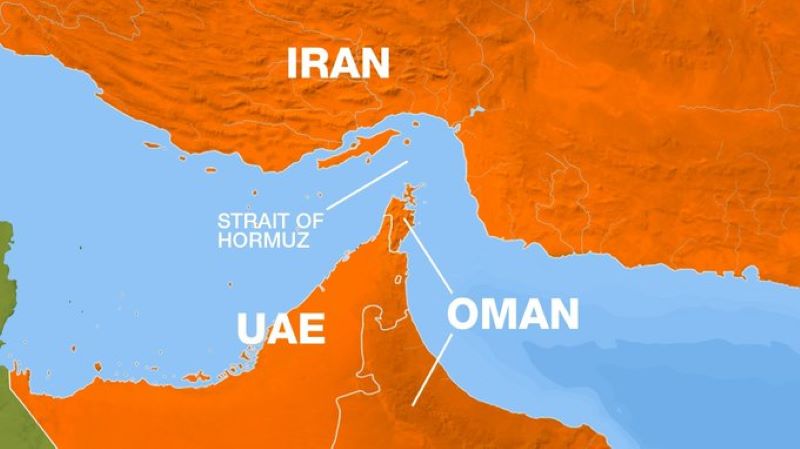
In a dramatic escalation of Middle East tensions, Iran is reportedly considering a shutdown of the Strait of Hormuz—an essential oil transit chokepoint—following a series of Israeli strikes on Iranian military and nuclear sites, reported by Iran’s mainstream media.
According to state broadcaster IRINN, Member of Parliament Esmail Kosari, who serves on the security commission, said that closing the strait “is being seriously reviewed” by Tehran.
The narrow waterway, through which roughly a quarter of the world’s oil and a third of its liquefied natural gas flow, is a bellwether for global energy security.
Its closure would send shockwaves through international markets and maritime trade.
This warning comes hot on the heels of Iranian missile and drone retaliations against Israeli targets—inflicting light injuries on at least seven Israeli soldiers—prompting global concern and calls for de‑escalation from Western leaders.
Market-watchers are already reacting: oil prices spiked more than 4 percent in recent days amid fears of supply interruption, and analysts caution that a full closure could catapult prices to over $120 per barrel—even though such a move would risk crippling Iran’s own oil revenues.
In response to heightening maritime threats, major tanker firms—including Frontline—are pausing contracts for passage through the Gulf and withdrawing existing vessels via naval convoys.
Insurance premiums have also surged as risk assessments escalate.
While a complete blockade remains uncertain—given the immense economic blowback for Iran—this posture reflects Tehran’s strategic leverage and underscores the region’s fragility. As Kosari’s warning reverberates globally, world leaders are urgently urging restraint to avert a broader confrontation, particularly in light of upcoming UN‑mediated talks scheduled in Muscat.