TEHRAN, June 26 (MNA) — In a dramatic shift that signals deepening tensions with the West, Iran’s Guardian Council has formally approved a controversial parliamentary resolution mandating the suspension of the country’s cooperation with the International Atomic Energy Agency (IAEA), reported by Mehr News Agency.
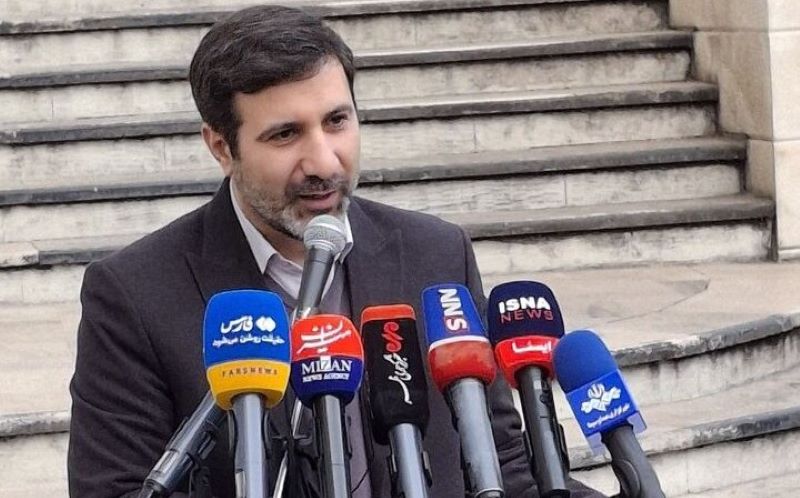
The announcement came Thursday through Hadi Tahan Nazif, spokesperson for the Guardian Council, the powerful constitutional vetting body that reviews all legislation passed by the Iranian parliament for compliance with the nation’s Constitution and Islamic principles.
Nazif stated that the council found no legal or religious contradictions in the bill, effectively clearing the way for its implementation. “This decision reflects our nation’s firm stance against violations of its sovereignty and continued external threats,” he said in an exclusive interview with Iranian media.
The resolution compels the government to halt all voluntary cooperation with the IAEA—a move Tehran argues is a response to recent “aggressions” by Israel and the United States. Iranian officials accuse both countries of targeting Iran’s nuclear infrastructure and threatening its nuclear scientists, claims that have long fueled animosity in diplomatic circles.
The legislation cites the importance of protecting Iran’s territorial integrity and ensuring the security of its nuclear facilities and personnel. It further invokes Article 4 of the Nuclear Non-Proliferation Treaty (NPT), which recognizes the right of all signatories to peaceful nuclear technology, including uranium enrichment.
According to Nazif, any future decisions regarding resuming cooperation with the IAEA will fall under the purview of the Supreme National Security Council (SNSC), Iran’s highest authority on defense and strategic affairs. This suggests that Tehran may be positioning itself to use nuclear transparency as a diplomatic bargaining chip, amid a complex geopolitical standoff.
The Iranian parliament had passed the bill on Wednesday, in a move that analysts view as both retaliatory and preemptive—retaliatory against recent acts of sabotage and drone attacks reportedly attributed to Israel, and preemptive in anticipation of any further Western pressure or sanctions.
While the international community has yet to officially respond, the decision is likely to deepen existing concerns in Europe and Washington about Iran’s nuclear ambitions and the future of diplomatic negotiations, especially with the 2015 Joint Comprehensive Plan of Action (JCPOA) effectively on life support.
The move underscores a hardening posture in Tehran—one that prioritizes national security narratives and domestic unity over international appeasement, even as the risks of isolation grow.