Trump Signals Possible Deal with Iran, Delays Strikes as Oil Prices Drop
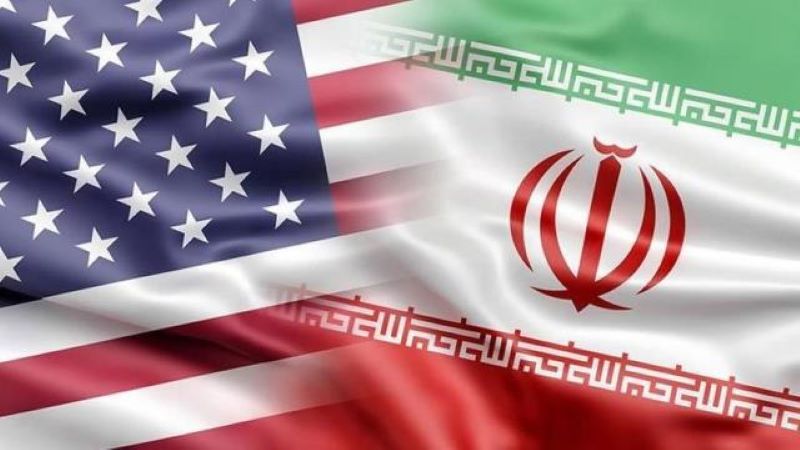
WASHINGTON — In a notable softening of tone amid the escalating Middle East conflict, President Donald Trump declared on Sunday that both the United States and Iran “want to make a deal” to bring about a “complete and total resolution of hostilities”, according to BBC News
Trump said preliminary talks had already taken place, leading him to postpone threatened American strikes on Iranian power plants for five days. The announcement sent oil and gas prices tumbling on world markets within minutes.
Yet Iran swiftly rejected the claim. The speaker of Iran’s parliament called the reports “fake news” intended only to manipulate soaring energy prices. In a strongly worded statement, Iran’s Foreign Ministry went further, flatly refusing any dialogue with the Trump administration.
The ministry described President Trump as “the most untrustworthy and unreliable” leader for such negotiations, pointing to what it called bitter lessons from past dealings. Iranian officials believe his sudden talk of peace is merely a tactic to steady skyrocketing oil and gas prices, another familiar U-turn in his public statements, much like those seen before.
Trump later named two close associates; real estate executive Steve Witkoff and his son in law Jared Kushner, as the American representatives in the reported contacts. He added a characteristically blunt caveat: “If the postponement goes well, we’re going to end up settling this. Otherwise, we’ll just keep bombing our little hearts out.”
The overture came barely 24 hours after Trump had issued a stern 48 hour ultimatum Saturday night, warning that Iran must reopen the Strait of Hormuz or face the “obliteration” of its power plants.
Analysts noted that Trump’s latest comments represent his most conciliatory message since the war began, although many critical details including the format, location, and timeline of any further talks remain unclear.
On Sunday evening, Trump and British Prime Minister Keir Starmer spoke by telephone and agreed that reopening the Strait of Hormuz is “essential to resume global shipping,” according to a Downing Street readout.
As the five day pause begins, the world watches to see whether this brief window of diplomacy can halt a conflict that has already disrupted energy supplies and raised fears of wider regional chaos.