Pakistan’s EU Trade Privileges Hang on Next Reform Push
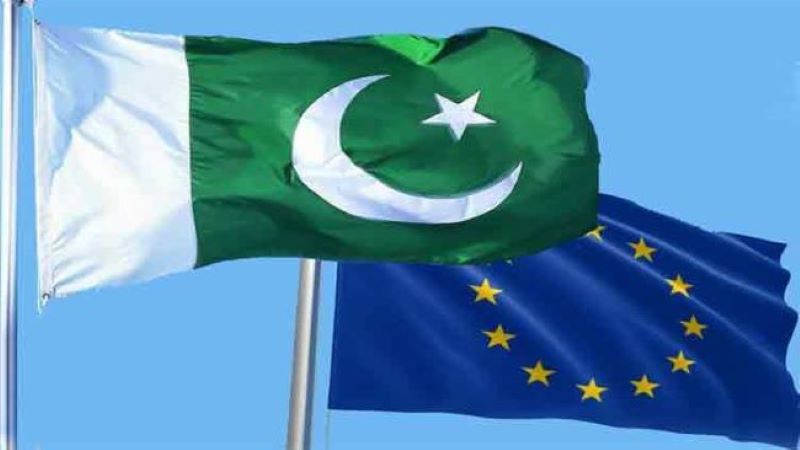
A fresh European Union review of Pakistan’s reform record under the GSP+ trade scheme paints a picture of cautious progress shadowed by persistent challenges. Published in July, the report stops short of praise but also avoids dismissal, urging Islamabad to keep its foot on the reform pedal.
The GSP+ arrangement, in place since 2014, grants Pakistan preferential access to EU markets in exchange for commitments to uphold 27 international conventions on human rights, labour standards, environmental protection and governance. In 2024 alone, Pakistani exports to Europe totalled €8.3 billion, with €732 million saved in tariff exemptions. The stakes, therefore, are as economic as they are ethical.
Brussels acknowledges that Pakistan has kept all 27 conventions ratified and largely met reporting requirements. More tangibly, it points to reforms that have narrowed the death penalty’s scope, halted executions since 2019, and introduced prison reform plans with training and grievance mechanisms. On women’s rights, a domestic violence law for Islamabad and a landmark marital rape conviction in Sindh in 2024 mark symbolic breakthroughs. For children, new laws criminalising child marriage in Islamabad and Balochistan, alongside a national education emergency, signal intent.
Labour rights show both promise and strain. Pakistan ratified the ILO’s forced labour protocol in March 2025, launched child labour action plans, and published a gender pay-gap study. Yet the report warns that laws alone are not enough: forced and child labour persist, and workers often lack practical access to justice.
On broader rights, the EU flags concerns that demand attention: enforced disappearances, media freedoms, minority protections and judicial independence. These are not new issues, but the report frames them as tests of whether Pakistan can turn legislation into lived reality.
The underlying message is nuanced. Pakistan can be credited for institutional steps while still being urged to close implementation gaps. Reforms, the report suggests, are not a pass-or-fail exam but a continuous journey.
For Islamabad, the path ahead involves strengthening enforcement, protecting minorities and journalists, and deepening anti-corruption measures. These goals align with Pakistan’s own interests: stronger courts and schools benefit citizens and investors alike. For Brussels, the challenge is to keep GSP+ a tool of constructive engagement, blending scrutiny with cooperation.
As the GSP framework evolves, both sides have reason to preserve the balance. Trade access and reform incentives can reinforce each other if laws on paper become practice on the ground.