KABUL: A senior European Union envoy has held talks with Afghanistan’s foreign minister on security, humanitarian assistance and political cooperation, as the two sides explore ways to expand engagement despite the EU’s lack of formal recognition of Afghanistan’s authorities.
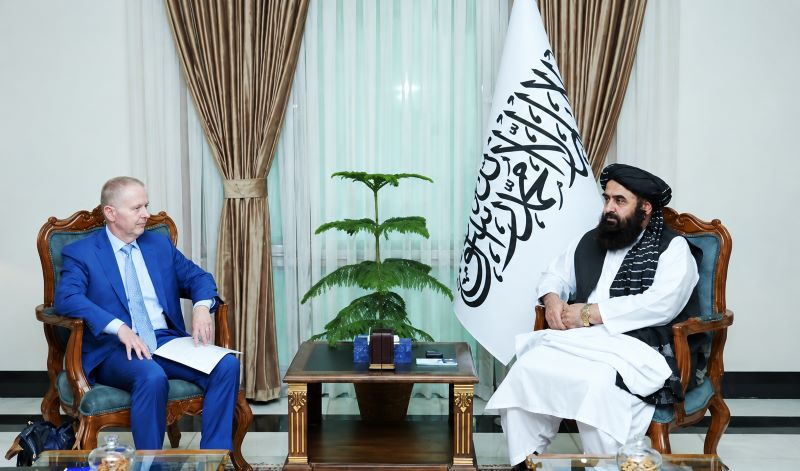
Thomas Frellesen, the EU’s Special Representative for Afghanistan, met Foreign Minister Amir Khan Muttaqi as part of a series of meetings with Afghan officials. The discussions focused on security, humanitarian needs and political issues, reported by TOLOnews.
Zia Ahmad Takal, head of public relations at the Ministry of Foreign Affairs, said Frellesen reaffirmed that the European Union’s official position was to support security in Afghanistan and efforts to combat narcotics. He also said the envoy pledged to work towards expanding cooperation in a range of areas.
According to the ministry, Muttaqi told the EU representative that the international community had not provided enough support for alternative livelihoods for farmers. He said such assistance was necessary to sustain Afghanistan’s progress in tackling drug production.
Afghan political analysts echoed calls for greater international engagement. Abdul Zuhoor Zaheer said foreign partners should make sincere efforts to support counter narcotics work, address the difficulties facing returning migrants and strengthen political and diplomatic relations with Afghanistan.
Another analyst, Gul Mohammaduddin Mohammadi, said drug production in the country had been reduced to zero and argued that the international community should now cooperate with Afghanistan to provide farmers with alternative sources of income.
Frellesen also met Afghanistan’s interior minister on Monday. Their talks covered engagement between Afghanistan and the European Union, the country’s security situation, regional stability and counter-narcotics efforts.
The meetings come after Kaja Kallas, the EU’s foreign policy chief, said that although the bloc does not recognise Afghanistan’s current authorities, it remains committed to supporting the Afghan people.
For many Afghans, the discussions carry practical weight. Access to humanitarian aid, economic opportunities and international cooperation could shape daily life in a country still coping with poverty, displacement and the long term effects of conflict.