

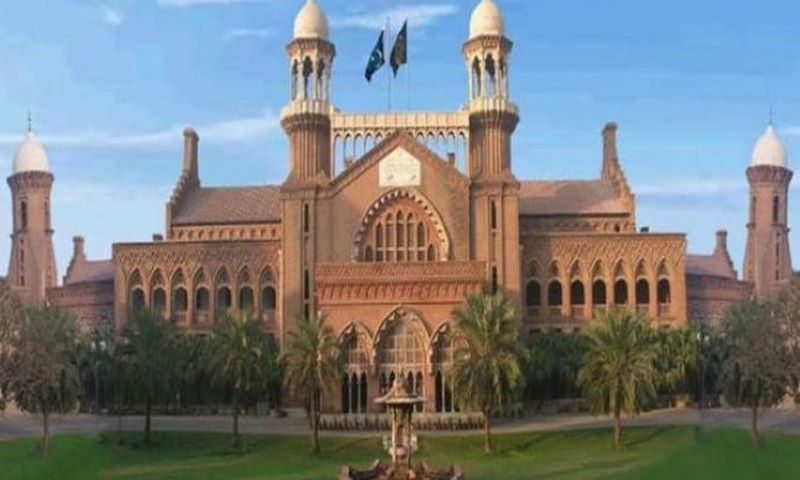
LAHORE, Pakistan: The Punjab government has told the Lahore High Court (LHC) that civilians convicted of offences against the state cannot claim protection under fundamental rights, as it seeks to dismiss a legal challenge by Barrister Hassaan Khan Niazi, the nephew of former prime minister Imran Khan, against his transfer to military custody and subsequent trial by an army court, reported by Dawn News.
The case has renewed attention on Pakistan’s practice of trying civilians under military law, through military courts staffed by army officers rather than ordinary civilian judges.
In a report submitted to the high court, the provincial government argued that Niazi’s petition was legally inadmissible because he had already appealed his conviction under the Pakistan Army Act of 1952. It maintained that the same legal issue could not be pursued simultaneously through different judicial channels.
Niazi was arrested in Pakistan’s Khyber Pakhtunkhwa province on August 16, 2023, in connection with the May 9 riots. The violence followed the arrest of Imran Khan and included attacks on military installations and government property. One of the main targets was Jinnah House in Lahore, the residence of the city’s corps commander.
According to the government, Niazi was transferred to military custody the following day after an army commanding officer requested his handover. Authorities alleged that his actions fell under the Official Secrets Act of 1923 and the Pakistan Army Act, making him liable to a military trial.
A Field General Court Martial subsequently convicted him and sentenced him to 10 years of rigorous imprisonment in December 2024. The defence ministry said the incident had damaged Pakistan’s international image and threatened state security. It also maintained that Niazi had legal representation of his choice and made a judicial confession before a magistrate.
The defence ministry argued that constitutional provisions prevent high courts from interfering in matters involving individuals subject to military law. It further said Niazi’s pending appeal before the military appellate system made his current petition premature.
The Punjab government also claimed that Niazi was an absconder when the authorities sought his transfer, distinguishing his case from other May 9 suspects who were transferred from anti-terrorism courts while in judicial custody.
However, the central issue extends beyond Niazi’s individual case. Military courts operate under military legislation, with trials conducted by serving military officers rather than independent civilian judges. Their authority to try civilians has remained a subject of legal and constitutional debate in Pakistan.
The defence ministry cited a Supreme Court ruling of May 7, 2025, which restored provisions allowing military trials of civilians while retaining their right to appeal.
Both the provincial government and the defence ministry have asked the high court to dismiss Niazi’s petition.
The case places a broader question before Pakistan’s legal system: how to balance national security concerns with constitutional protections, civilian judicial oversight and the right to a fair trial.





