

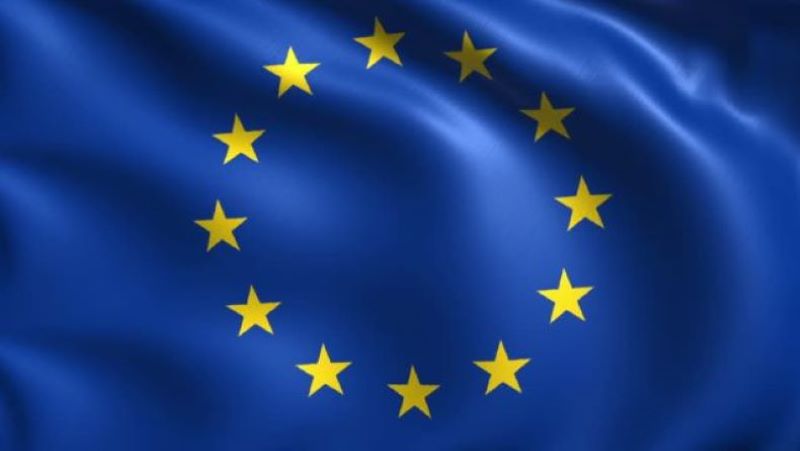
European Council President Antonio Costa touched down in India on Sunday, marking a pivotal moment in the nearly twenty-year journey toward forging a comprehensive free trade agreement between two economic giants, according to AFP.
Costa, alongside European Commission President Ursula von der Leyen, will serve as chief guests at India’s Republic Day celebrations on Monday before attending a crucial EU-India summit on Tuesday. There, leaders hope to finalize what officials are calling the “mother of all deals.”
The timing couldn’t be more significant. India, home to the world’s largest population, is poised to become the fourth-largest economy globally this year, according to International Monetary Fund projections. For Europe, India represents a promising market brimming with potential. For India, the EU offers vital technology and investment needed to modernize infrastructure and generate millions of jobs for its young workforce.
“We are on the cusp of a historic trade agreement,” von der Leyen declared ahead of the summit, her words echoing the anticipation felt on both sides.
The numbers tell a compelling story. Trade in goods between the two partners reached €120 billion in 2024, a staggering 90 percent increase over the past decade. Services add another €60 billion to the equation.
Yet this partnership extends beyond mere economics. As the EU’s top diplomat Kaja Kallas noted, “The EU and India are moving closer together at a time when the rules-based international order is under unprecedented pressure through wars, coercion and economic fragmentation.”
Both regions face mounting challenges: American tariffs, Chinese export restrictions, and the need to diversify their strategic dependencies. India has been steadily reducing its reliance on Russian military hardware, while Europe seeks alternatives to American partnerships.
Still, hurdles remain. Negotiators continue wrestling with contentious issues, including the EU’s carbon border tax on steel exports and diverging standards in pharmaceuticals and automotive sectors. Whether these final obstacles can be overcome will determine if two decades of patient diplomacy finally bear fruit.





