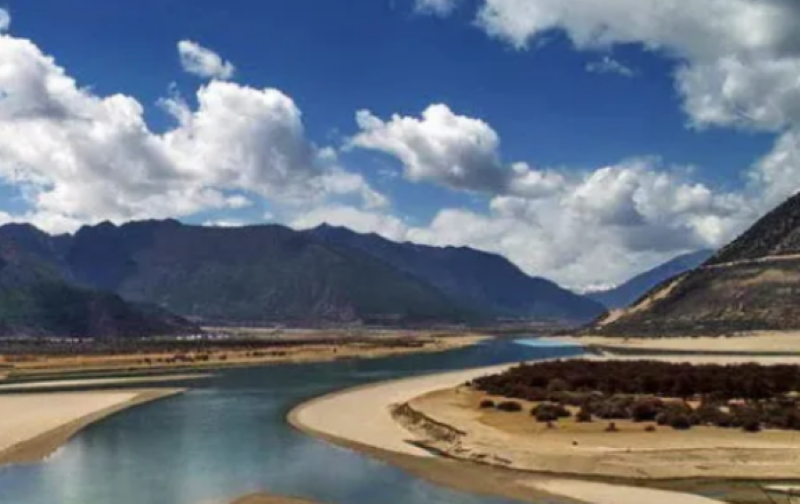
China Begins Construction of World’s Largest Dam, Sparking Fears in India and Bangladesh
China has officially begun building what will become the world’s largest hydropower dam in the remote reaches of Tibet, setting off alarm bells in neighboring India and Bangladesh over potential ecological and geopolitical fallout, reported by BBC News.
Premier Li Qiang presided over the launch ceremony over the weekend, signaling Beijing’s deepening ambitions to harness the Yarlung Tsangpo river — known downstream as the Siang in India and the Jamuna in Bangladesh. The $167 billion Motuo Hydropower Project will eclipse the Three Gorges Dam in scale and energy output, potentially generating three times as much electricity.
The project, located in a remote canyon where the river takes a dramatic U-turn around Mount Namcha Barwa — known as “the Great Bend” — will involve tunnel drilling and water diversions to support a series of cascading power stations. While Beijing insists the initiative will prioritize ecological protection and local development, critics warn it could destabilize fragile ecosystems, displace Tibetan communities, and give China strategic control over water flow into India and Bangladesh.
“This is an existential threat to our tribes and our livelihoods,” said Arunachal Pradesh Chief Minister Pema Khandu. “If China decides to suddenly release water, it could destroy entire communities in the Siang region.”
India’s foreign ministry has raised concerns about transparency and the lack of consultation, urging China to respect the rights and security of downstream nations. Bangladesh, too, sent a formal request for more information earlier this year.
Chinese authorities argue they are operating within sovereign rights and say precautions have been taken. The power generated will largely be transmitted eastward to support China’s growing energy demands under President Xi Jinping’s “xidiandongsong” policy — transferring electricity from the west to fuel urban centers in the east.
Human rights groups, however, warn of intensified repression in the region. Past protests by Tibetans against similar projects have been met with arrests and violence. Environmentalists also caution against building mega-dams in a seismically active zone, where any failure could have catastrophic consequences.
The race to control Himalayan waters — often called “Asia’s water tower” — may soon become a defining issue in regional geopolitics.