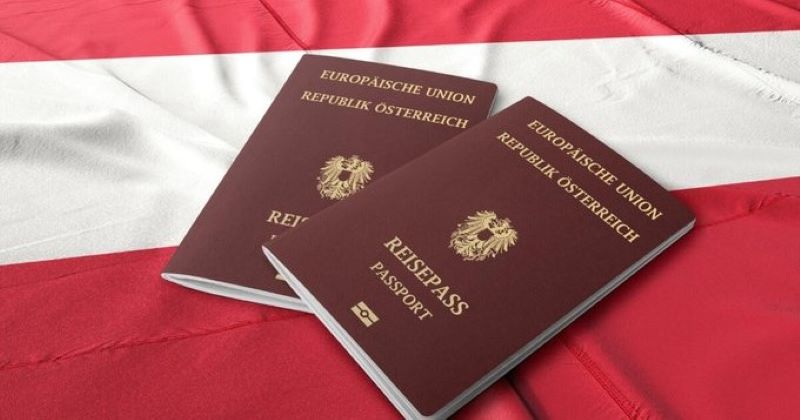
Vienna, August 2025 — Austria’s move to tighten its citizenship laws has ignited widespread debate, thrusting the country’s identity norms into the spotlight and prompting a spirited backlash from integration advocates, civil rights groups, and even within its governmental ranks.
At the heart of the controversy is a proposal championed by the far-right Freedom Party (FPÖ) and voiced most prominently by Lower Austrian State Councillor Christoph Luisser, who declared, “Citizenship is not a discount item at a bargain price.” His demands are heavy-handed: raise language proficiency to at least B2 level, abolish dual nationality, raise financial and waiting-period thresholds, and tightly restrict eligibility—especially for asylum seekers.
The FPÖ’s ambitions go even further. Party leader Herbert Kickl has called for extending the current ten-year residency requirement for naturalization to 15 years, bluntly asserting that “asylum is temporary protection”—an attempt to preclude those who came during the 2015 refuge wave from gaining citizenship.
These moves follow Austria’s recent shift to the right after the 2024 election, where the FPÖ surged to prominence, pledging tougher immigration and integration standards.
Many experts warn these reforms could deepen existing inequalities and weaken democratic inclusion. NGOs stress that by 2040, as many as a quarter of Austria’s population—or 40 percent in Vienna—could be disenfranchised if current rules remain static.
Vienna’s Integration Council, in contrast, has lobbied for reforms to reduce the democratic deficit—supporting lowered residence thresholds, dual citizenship, and eased naturalization procedures to bolster integration and civic participation.
Moreover, an emerging coalition government (ÖVP, SPÖ, and NEOS) proposes its own reforms—notably raising the language requirement for citizenship applicants to B2, and introducing compulsory integration courses emphasizing democratic values and gender equality.
These steps echo a more balanced approach but may still present hurdles for many hopeful new Austrians.
As the nation wrestles with preserving its cultural identity and protecting democratic access, the evolving citizenship law stands as a powerful symbol of the path Austria now faces—between exclusion and inclusion.