ÖGK Co-Payment Proposal Sparks Health-Care Debate
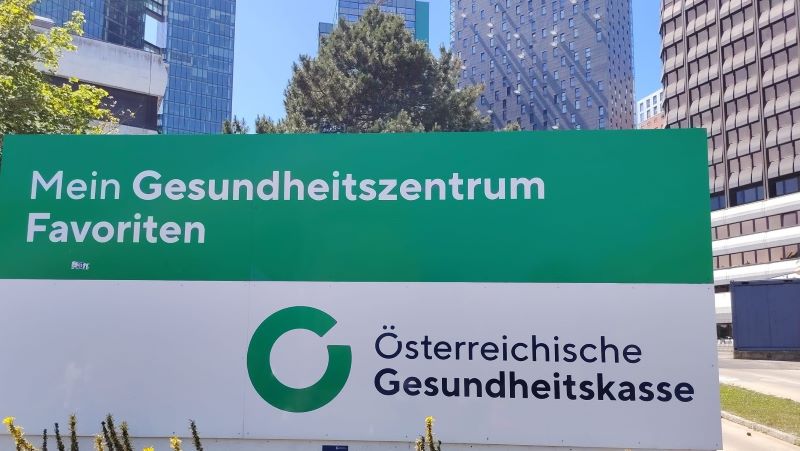
Austria’s public health insurer, the Austrian Health Insurance Fund (ÖGK), is considering new measures to cut healthcare costs, including introducing co-payments for visits to doctors. The proposal has triggered strong criticism from politicians and health representatives, raising fresh concerns about whether access to medical care could become more dependent on people’s income, reported by the Kronen Zeitung.
The ideas are contained in a document from an ÖGK strategy meeting organised by its employer representatives, who are dominated by the conservative Austrian People’s Party (ÖVP). ÖGK chairman Peter McDonald confirmed the contents, but stressed that the proposals are not yet final decisions. He said they should now be discussed with the social partners and brought into the political debate. In his view, Austria needs “completely new approaches” and there should be “no forbidden ideas” when reforming the health system.
Among the most controversial suggestions is ending ÖGK reimbursement for visits to private, non-contracted doctors, known as Wahlärzte. The document proposes using the money saved to make services provided through the public insurance system more attractive. Doctors who play an important role in healthcare could also be brought into the public system.
The paper further suggests different levels of co-payments for doctor visits as a way of managing demand and discouraging unnecessary appointments. It does not propose a strict gatekeeper system requiring patients to see a general practitioner before a specialist. Instead, financial incentives would be used to influence patients’ choices. An income-based limit for prescription charges and medical costs is also mentioned as a possible safeguard.
The proposals were quickly rejected by several political figures. Health Minister Korinna Schumann of the Social Democratic Party (SPÖ) said healthcare must not become “a question of the size of a person’s wallet”. She argued for more public insurance contracts and better access to publicly funded medical services.
ÖGK employee representative Andreas Huss also opposed new charges, saying the system already contains enough co-payments and that they place a heavier burden on people with lower incomes.
The Greens called the proposals “highly unjust”, while FPÖ health spokesperson Gerhard Kaniak warned that they could become a serious financial burden for patients. The SPÖ suggested abolishing the maximum social insurance contribution threshold, while the liberal NEOS pointed to prevention, digitalisation and administrative savings as alternative areas for reform.
For now, the proposals remain ideas. But they have opened a difficult debate over how Austria can reduce healthcare costs without putting another financial barrier between patients and the treatment they need.